Essential Steps for a Successful House Painting Project
Intro
Embarking on a house painting project can feel like a giant leap, but with the right approach, it transforms from daunting to rewarding. Whether you’re looking to refresh old walls or make a bold statement with colors that speak volumes, a well-planned painting project can elevate the essence of your home. Understanding what goes into this venture is crucial. It touches on various elements—planning, material selection, application techniques, and more.
Before getting your hands dirty, consider the different aspects discussed in this guide. Homeowners and DIY enthusiasts will find invaluable insights that cover every angle of the painting process, ensuring that each brush stroke counts and delivers lasting satisfaction.
Let’s dive into the nitty-gritty!
Key Insights and Trends
In today's world, house painting isn't just about slapping on a coat of paint; it's a statement of personal style and an essential part of home maintenance here. Familiarity with current trends can not only guide you in making aesthetic choices but can also influence how your space feels and functions.
Current Trends in Interior Design
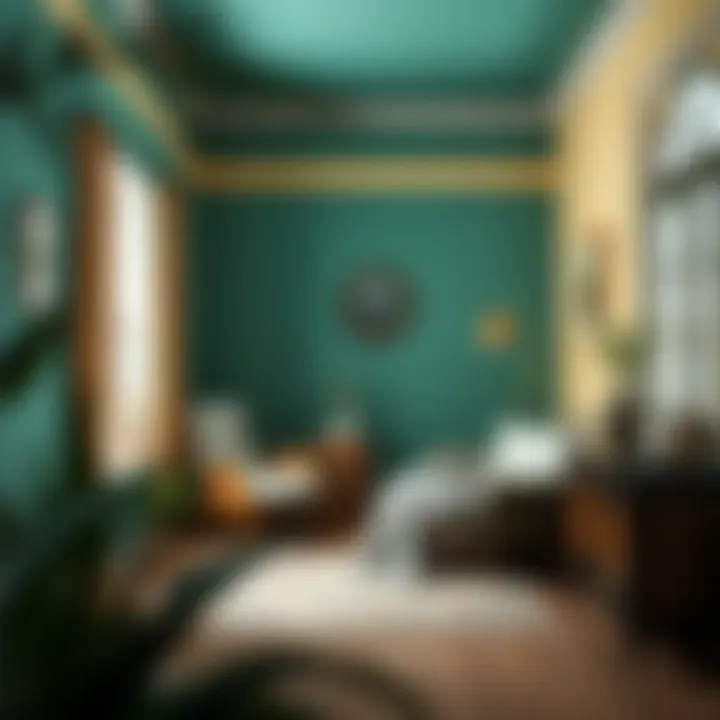
Color schemes have evolved, reflecting broader societal moods. Neutral tones, like warm greys and soft beiges, continue to hold their ground, providing versatility and timelessness. However, bold colors, such as deep blues, greens, and earthy terracotta, are emerging as favorites for accent walls. They create a striking contrast that can rejuvenate a room, adding depth and personality.
More homeowners are also embracing textures along with colors. Matte finishes, for example, give a sophisticated appearance, while glossy finishes can make a space feel more dynamic. Also noteworthy is the trend towards environmentally friendly paints, which are now widely available. These paints are less harmful to the environment and improve indoor air quality—make a great choice for families.
Popular Gardening Techniques of the Season
A little outside could also go a long way! As painting transitions into home exteriors, consider how your paint colors might complement your garden. Organic gardening techniques, such as companion planting, can work in tandem. For instance, a home painted in soft pastel shades could beautifully frame brightly colored flowers, bringing a vibrant touch to outdoor spaces.
Practical Tips and How-To Guides
Step-by-Step Guides for Home Decoration Projects
Starting on a painting project? Here’s a step-by-step guide to ensure that you tackle it like a pro:
- Plan Your Project: Draft a timeline and budget to define your scope of work. Avoid pitfalls by visually planning the layout as well.
- Choose the Right Materials: Investing in quality brushes and paint can make a world of difference. Brands such as Sherwin-Williams and Behr are known for their dependable performance.
- Prep Your Space: Clear the area, use painter's tape to define lines, and patch up holes or imperfections. The better the prep, the smoother the application.
- Master the Technique: Use a roller for large areas and brushes for edges and details. Apply paint in thin layers for even coverage.
- Review and Touch Up: Once your layers have dried, inspect for any missed spots or uneven areas and touch them up.
Entertaining Tips and Planning Checklists
If you're looking to host a gathering after your painting project, consider these essential tips:
- Theme It Out: Choose colors that align with your gathering's theme. A vibrant palette can set the mood right.
- Clean Spaces: Always ensure your space is clean and neat to make an inviting impression among your guests.
- Consider Lighting: Soft lighting can enhance the newly painted walls. Make use of table lamps or fairy lights for a warm atmosphere.
Additionally, organization is key. Create a checklist to keep track of tasks and ensure everything is on point as the date approaches.
In summary, a successful house painting project isn’t just about the paint itself; it incorporates a blend of design insight, proper preparation, and execution finesse that paves the way for a beautiful end result. For those eager to learn more about house painting basics or color theories, consider browsing reliable resources such as Britannica, or get lost in communities on Reddit for practical advice. Oh, and don’t forget to keep those safety protocols in check—better safe than sorry!
Now that you’re equipped with initial knowledge, let’s jump into the nitty-gritty of prepping surfaces and choosing the right materials for your specific project.
Prolusion to House Painting Projects
Undertaking a house painting project is not merely a matter of slapping some color on the walls. There is a profound significance to it, one that goes beyond aesthetics. A paint job can breathe new life into a space, transforming dull surfaces into vibrant canvasses that reflect personal style and enhance home value. The old saying, "a coat of paint never hurt anyone," rings true, yet it only scratches the surface of what a comprehensive painting project entails.
When beginning this venture, homeowners must recognize various elements that play a crucial role in ensuring success. The first step is understanding the scope of the project. It’s important to ask catalyzing questions such as:
- Are we focusing on just one room, or are all areas in need of a refresh?
- Is the project interior, exterior, or both?
Equally, benefits of a well-executed painting job include increased property value and improved visual appeal. According to a report by the National Association of Realtors, the return on investment for interior painting can be upwards of 107%. This makes painting one of the most cost-effective home improvement strategies.
Of course, there are considerations that cannot be overlooked. It’s vital to take time to plan adequately, as rushing through steps may lead to regrets later on. One such consideration is the climate, particularly for exterior painting projects. The local weather conditions can heavily impact the curing and drying process, leading to potential issues like bubbling or peeling paint if not accounted for. Moreover, homeowners must think about the colors they wish to use. Color choices can significantly influence mood and atmosphere in a space—a concept explored in detail in the color psychology section.
“Paint is the most underrated component of home design. The right colors can turn a house into a home, highlighting its beauty and individuality.”
In summary, diving into a house painting project involves much more than picking a color and getting brushes. Each decision afects the outcome—both qualitatively and aesthetically. The depth of thought put into planning and execution can pave the way for lasting satisfaction and enhanced home experience. Planning a painting project with an eye for detail will not only streamline the process but also elevate the end results, leading to a happier living environment.
Understanding the Scope of Your Project
When diving into a house painting venture, grasping the full scope of your project is not just a good idea; it's essential. This understanding shapes nearly every decision you will face, influencing everything from budgetary constraints to the selection of materials. Knowing what you are up against allows you to allocate your resources wisely and set achievable goals right from the outset.
Defining the Purpose
The first step in defining your project’s scope revolves around identifying the purpose behind the painting. Are you sprucing things up for a sale? Maybe you’re transforming your living space to reflect your personal style? Or perhaps your focus is on upkeep, ensuring your home remains protected from the elements. Whatever the reason may be, having a clear purpose helps in channeling your energy and resources effectively.
For instance, if you're preparing for an upcoming event, you might prioritize quick, impactful changes that can be done on a budget. In contrast, if this is a long-term investment, you might opt for high-quality paints and professional services. All these facets influence not only how you approach the project but also dictate the materials you choose and the timeframe you consider. Create a shortlist of your motivations and expectations; this will act as a guiding star for your decisions throughout the process.
Interior vs. Exterior Painting
Understanding the differences between interior and exterior painting is crucial. Each type comes with its own set of challenges and opportunities. Generally, interior painting allows for a wider range of color selections and finishes, while exterior painting emphasizes durability and protection against the outdoor elements.
- Interior Painting:
When it comes to indoors, consider factors like light exposure, room size, and the atmosphere you wish to create. For example, a warm beige can make a small room feel cozier, while a cool blue can open up space. Always think about how each room connects with the others, maintaining a cohesive flow through the choice of color schemes. - Exterior Painting:
Now, going outside, this is where durability becomes king. An exterior paint must withstand harsh weather, UV rays, and moisture. Typically, outdoor finishes are formulated to resist fading and mildew. When choosing your color for a home’s exterior, always consider how it interacts with your surroundings and whether it melds well with the community.
- Tip: Sample swatches on your walls before committing to avoid any surprises after the rollers are put down.
- Important note: A house that stands apart too much from its neighbors risks looking out of place.
"In painting, it’s vital to consider the unique characteristics of each area—both space and light influence the final outcome."
In wrapping up this section, being aware of your project scope allows you to make informed choices, steering your paint job from mere inspiration to a well-executed plan. This strategic approach lays the groundwork for a successful painting endeavor that meets or even exceeds your expectations.
Planning Your Painting Project
Planning the house painting project is akin to laying down a solid foundation before building a house. You wouldn’t just throw up the walls without a blueprint, right? Similarly, having a well-thought-out plan sets the stage for a smooth and efficient painting experience. It not only saves you time and money but also helps to keep stress at bay. When you organize your thoughts, tasks, and resources ahead of time, the actual execution becomes a walk in the park, even for those who might not be the handiest of homeowners.
Good planning involves several key elements that need careful consideration. Understanding how much you’re willing to spend, deciding on the color palette, and creating a realistic timeline are just a few aspects that contribute to a successful project. Additionally, having a clear direction helps you to anticipate challenges before they become stumbling blocks.
Setting a Budget

Finding the sweet spot for your budget is crucial since it dictates many aspects of your painting project. When it comes to setting a budget, it’s wise to consider not only the cost of paint but also other essentials such as brushes, rollers, drop cloths, and tape. Little costs can add up, so it’s beneficial to keep track of everything.
- Assess Your Needs: Think about the size of the area you plan to paint. A small room might not require the same investment as the entire exterior of your house.
- Research Prices: Check local hardware stores or online marketplaces for paint costs. Brands and types vary greatly, so don’t just pick the first option you see.
- Factor in Help: If you’re hiring professionals, labor costs can be a significant part of your budget. Don’t forget to include any potential fees for services like surface prep or clean-up.
- Emergency Fund: Set aside a little extra just in case you run into unexpected expenses, whether that's additional materials or urgent repairs.
By establishing a budget upfront, you'll avoid the dreaded "where did all my money go?" later on.
Creating a Timeline
A timeline sets expectation and promotes accountability. Without a clear schedule, you might find yourself bogged down in the painting process, potentially postponing other plans such as a family gathering or that belated birthday party you’ve been meaning to host. Here are a few steps to streamline your timeline creation:
- Assess Project Scope: First, decide if it’s only a room or multiple areas, including specifics on whether it’s interior or exterior.
- Realistic Timeframes: Estimate how long each task will take; painting a bedroom might take a weekend while tackling the entire house can stretch across weeks.
- Break it Down: Divide the project into weeks or even days, focusing on aspects like surface preparation, painting, and drying times.
- Contingency Days: Always add a few extra days for drying times and unexpected pauses.
Creating a practical timeline not only maintains your sanity but also ensures that your project flows like a well-rehearsed performance.
By taking these decisive steps, planning your painting project becomes a thoughtful and organized endeavor. Taking the time to consider your budget and timeline will ultimately yield a beautifully painted space that’s a true reflection of your style.
Choosing the Right Paint
Selecting the right paint for a house painting project is not merely an afterthought; it’s a fundamental element that can greatly influence the outcome. The paint can affect aesthetics, durability, and even the ambiance of a room. Hence, finding the perfect product requires thoughtful consideration of various factors ranging from the type of surface to the environment in which the paint will be applied.
In this section, we will explore the nuances of different painting materials and color considerations that make a substantial difference in achieving both functionality and beauty. The aim is to ensure that every brush stroke contributes to the overall vision of your space.
Different Types of Paint
Latex vs. Oil-based
When it comes to choosing between latex and oil-based paints, understanding their distinct characteristics is key. Latex paints are known for their quick drying time and easy clean-up with water, making them a hassle-free option for DIY enthusiasts. They tend to have less odor and are often favored for interior walls, where the risk of fading from sunlight is lesser.
However, oil-based paints boast a reputation for durability and rich finishes, particularly on wood surfaces. They are better suited for high-traffic areas and exteriors but come with longer drying times and require solvents for cleaning.
A key benefit of latex paint is its flexibility; it can expand and contract with temperature changes, thus preventing cracking. On the flip side, while oil-based paints resist wear and tear remarkably, they can emit strong fumes and require careful ventilation during application.
Finish Options: Matte, Satin, Gloss
Next, let’s discuss the various finish options available for paint: matte, satin, and gloss. Each finish serves a unique role and can drastically influence the overall perception of a room.
Matte finishes, which offer a flat appearance, are excellent for hiding imperfections but are more susceptible to scuffing. Thus, they work wonders in low-traffic areas, like bedrooms. On the other hand, a satin finish strikes a balance, providing a subtle sheen that is easier to clean, making it suitable for living rooms and hallways.
Gloss finishes have a shiny, reflective quality that can brighten a room, but they tend to show every blemish. They’re often used on trim and moldings because their reflective nature can accentuate architectural features beautifully.
When considering finishes, think about the environment. High moisture areas, such as kitchens and bathrooms, benefit from satin or gloss options for their washability and resistance to mildew.
Color Selection
Understanding Color Psychology
Color is more than just visual; it affects feelings and emotions. Understanding color psychology is crucial in creating the intended atmosphere for any room. Different shades can evoke various feelings—warm colors like reds and oranges can invite warmth and coziness, while cool colors like blues and greens often promote calmness and relaxation.
Choosing colors that align with the purpose of each room can enhance the household experience. For example, a vibrant orange might invigorate a kitchen, whereas soft blues create a peaceful sanctuary in a bedroom. However, it's essential to recognize that personal expectations and existing decor will also play significant roles in your choices.
Sample Swatches and Testing
Finally, sample swatches and testing can't be overstated. Before committing to a color, testing paint on the actual walls under varying light conditions can help you visualize how the color interacts with your space. Sample swatches allow you to see how the color truly behaves in combination with furniture, carpets, and other features.
Despite the advice, swathes of paint on the wall can often illuminate potential issues before you dive in headfirst.
To conclude, the process of selecting paint is a comprehensive endeavor that caters to both aesthetic aspirations and practical needs. From understanding the types of paint available to contemplating color psychology, every detail matters. In achieving the desired finish and feel of a space, the thoughtfulness you put into selecting the right paint will pay off in dividends.
Preparing Your Space
Preparing your space is a crucial step in executing a successful house painting project. This stage sets the groundwork for everything that follows, ensuring that your efforts yield a polished final product. The importance of prepping the area cannot be overstated, as it greatly impacts both the ease of the job and the quality of the painted surface. When you take time to prepare, you are not just safeguarding your belongings, but you’re also enhancing the overall efficiency of the painting process.
Surface Preparation
Cleaning and Repairing Surfaces
Cleaning and repairing surfaces is fundamental to achieving an immaculate finish that lasts. Before any paintbrush touches the wall, it's essential to eliminate dust, dirt, grease, and old peeling paint. Many people overlook how these contaminants can interfere with paint adhesion, leading to unsightly blisters or uneven coverage.
The key characteristic of cleaning surfaces is its ability to create a blank canvas for the new paint. This step is often regarded as a golden ticket to success in the painting world. An additional benefit is preventing further issues related to mold or mildew, especially in humid areas. Not cleaning properly might leave you with a finish that is anything but pleasing.
A unique feature of surface cleaning lies in its various methods. Whether using simple soap and water or stronger chemical solutions, the right approach depends heavily on the surface material and previous paint conditions. Each option presents its own pros and cons; for example, while heavy-duty cleaners may ensure a pristine surface, they also require careful handling. Notably, using a pressure washer can be a double-edged sword; effective but potentially damaging if not utilized with caution.
Priming Techniques
Priming techniques play a vital role in preparing surfaces for painting, as they create a barrier that enhances paint adherence and color vibrancy. A well-applied primer can help seal porous surfaces, ensuring that your final coat goes on smoothly and evenly. In fact, it could be said that skipping this step is akin to baking a cake without flour—certainly possible, but the results might not be what you hoped for.
Priming is a popular choice because it minimizes the number of coats needed and can help hide imperfections in the wall. This not only saves time but also reduces the amount of paint required. The unique feature of using primer is its capacity to alter the finish qualities of the paint. For instance, utilizing a tinted primer can significantly enhance the depth of color, allowing for a more vibrant end result.
However, priming comes with its own set of challenges. It often requires additional drying time, which can prolong the project timeline. Choosing the right primer—oil-based or latex—depends largely on the surface and the type of paint used afterward.
Protecting Your Home
Moving Furniture
Moving furniture is an underestimated but essential aspect of preparing your space. Before getting to the fun part of painting, relocating items prevents mess and potential damage. The key characteristic of this task is its ability to clear the workspace completely, reducing interruptions while painting. It allows for unhindered access to walls and corners, saving you from having to maneuver delicate items around while painting in tight spaces.
Moving furniture is particularly beneficial as it helps avoid splatters and accidents that can subtract from the ambiance of your revamped area. When you're focused on your task without the stress of bumping into a favorite table or tripping over a chair, creativity can truly flow.
A unique feature of moving furniture is the approach you take. Whether hauling everything out of the room or simply shifting larger pieces to one side, both strategies have their merits. However, bigger pieces can often be cumbersome, so using gliders or even old towels can smooth the transition and ease the effort.
Using Drop Cloths and Tape


Using drop cloths and tape is one of the most effective ways to protect your home during a painting project. These materials keep paint off floors and other surfaces, which means fewer headaches later on. The hallmark of this practice is the peace of mind it offers—knowing that everything is safeguarded from drips and spills instills confidence as you get down to the nitty-gritty of painting.
Drop cloths come in various types, including plastic, canvas, and paper, each with its own benefits. Plastic might be the go-to choice for easy cleanup, while canvas offers better absorption for the spillage-prone among us. This choice directly affects how easy or difficult cleanup will be once the sheddering begins.
Tape, on the other hand, is crucial for achieving sharp lines and preventing unintended paint marks on trim or adjacent walls. The unique feature of using tape is that it allows for clean demarcation, further enhancing the visual appeal of your work. However, poor quality tape can lead to inefficiencies, like paint bleeding underneath, so opting for the higher-end brands which stick well without risk of damage to walls can be beneficial.
Application Techniques
Application techniques hold significant importance in a house painting project. They not only determine how well the paint adheres to surfaces but also affect the overall finish and durability of the job. Proper techniques ensure that the work looks professional, achieving a clean and aesthetically pleasing result. By adopting suitable methods and tools, you can save time, minimize errors, and even reduce the amount of paint wasted, which can add up over a large area.
Choosing Tools
Selecting the right tools is crucial for the successful execution of a painting project. Different tools cater to various needs and styles, impacting both the ease of application and the final look.
Brushes, Rollers, and Sprayers
When delving into brushes, rollers, and sprayers, each tool brings its own set of benefits and drawbacks to the table. Brushes, for instance, are stellar for precision work, especially in cutting in around corners and edges. They offer control that is hard to match, especially for intricate designs. On the other hand, rollers are known for their speed and efficiency on larger flat surfaces, allowing for an even coat without much hassle. Sprayers can cover vast areas quickly, making them a favorite for professionals aiming for a flawless finish without the brush marks.
A unique feature of rollers is their ability to hold more paint than brushes, reducing the need for frequent dips. However, they can leave texture patterns, which might not be desirable depending on the expected look. Sprayers, while quick, demand a bit more experience to avoid over-spray and uneven application, which can be frustrating on detailed projects.
Tool Maintenance
Maintaining your tools is just as crucial as choosing them. Keeping brushes, rollers, and sprayers in good condition can prevent a myriad of issues down the line. Regular cleaning after use extends the life of the tools and preserves their functionality. Paint residue can accrue and lead to hardening, making them ineffective for future projects.
For instance, brushes must be washed thoroughly, ensuring that old paint does not interfere with new applications. This practice saves money and ensures a quality finish. Sprayers require periodic maintenance checks to keep them running smoothly, which can save on costly replacements.
Neglecting tool maintenance can result in uneven applications and require additional work to correct any mishaps, making it a wise choice to integrate regular upkeep into the process.
Painting Methods
Understanding various painting methods is vital for achieving an even and professional finish. This section elaborates on key techniques that can enhance your painting experience.
Cutting in Corners
The technique of cutting in corners is an essential skill in house painting. It refers to the process of painting edges and corners before rolling the larger areas, ensuring crisp lines and minimizing the risk of over-spray. This method is particularly beneficial when transitioning between different colors or finishes, where precision matters greatly. A steady hand and a good quality brush are vital components, as they allow detail work that accentuates the overall project.
A unique aspect of cutting in is that it often serves as the dividing line for differing colors, making this technique critical to the visual cleanliness of the job.
Even Application Techniques
Even application techniques are key to ensuring that paint is distributed uniformly across surfaces. This includes using consistent pressure with rollers or brushes and applying paint in manageable sections. Employing a 'W' or 'M' pattern with a roller can help in achieving uniform coverage, allowing paint to flow smoothly.
Proper technique not only looks better but also enhances durability, as uneven surfaces may wear more quickly or show imperfections. Adhering to these methods can lead to a paint job that lasts longer and maintains its luster, proving beneficial in the long run. All in all, a diligent approach to these methods can save you a headache later.
Remember: The quality of your tools and your application techniques will dictate the overall outcome of your house painting project. Poor execution can lead to disappointing results, while investing time in proper methods ensures satisfaction.
For more detailed insights about painting techniques and maintaining tools, consider looking at resources like Wikipedia and Britannica.
Safety Considerations
When embarking on a house painting project, safety must be of paramount importance. Not only does it protect the individuals involved, but it also ensures that the work environment remains hazard-free. Painting can often involve the use of chemicals, some of which might be harmful when inhaled or when they come in contact with skin. Moreover, the act of painting itself can introduce risks—slips, falls, and injuries from sharp tools are examples that highlight the importance of taking precautions.
Being cautious doesn't just address current safety needs but also minimizes future health risks associated with prolonged exposure to certain materials. Here are some critical areas to consider:
- Protective Gear: Utilizing the right protective gear can make a world of difference. It safeguards the face, eyes, and skin from harmful substances.
- Handling Paint and Chemicals: Proper handling and storage of paints and related materials is essential to prevent accidents or negative reactions.
Taking these measures ensures that the painting process is as safe as can be, allowing more focus on the creative aspects of the project without unnecessary interruptions.
Protective Gear
The right protective gear is your first line of defense when tackling any painting job. This equipment does not merely act as an accessory but serves a practical purpose in maintaining health and safety.
Respirators and Masks
When working with paint, especially oil-based or those containing volatile organic compounds (VOCs), the need for respiratory protection becomes crucial. Respirators and masks help filter out harmful airborne particles and vapors. A key characteristic of respirators is their ability to create a seal around the face, thus minimizing inhalation risks.
One of the popular choices is a half-mask respirator, which is generally comfortable and allows for a clearer field of vision. These masks typically feature replaceable filters, making them a cost-effective option for homeowners. However, they do require consistent maintenance and proper fit to ensure effectiveness.
The unique feature of respirators is their ability to adapt to various environments—some are rated for higher levels of exposure, while others can filter out specific chemicals. One disadvantage, though, is that they can feel constrictive during prolonged use, which could deter individuals from wearing them consistently.
Goggles and Gloves
Just as vital as respiratory protection, goggles and gloves provide essential barriers against skin irritations and eye injuries. Goggles protect the eyes from splashes and dust, which can lead to serious injuries if paint or debris gets into them. The snug fit and seal can also prevent particles from accessing the eyes, thus ensuring a safer working environment.
Gloves, on the other hand, not only prevent skin contact with potentially harmful substances but also improve grip on tools and materials. Disposable latex or nitrile gloves are a suitable choice for most projects, offering a blend of flexibility and protection. While durable, it’s important to note that they may not be effective against all chemical exposures, so checking compatibility beforehand is prudent.
Although wearing goggles and gloves can feel cumbersome at times, especially during intricate detailing work, they are invaluable for avoiding long-term health complications and injuries, making them a non-negotiable aspect of any painting project.
Handling Paint and Chemicals
Another significant consideration in any painting endeavor is how you manage your materials. Paint and chemicals can contain substances that are harmful if not handled appropriately.
- Store paints in a safe, labeled container to avoid mixing with other substances unintentionally. Keep them in a cool, dry place, away from any heat sources, to prevent reactions.
- When disposing of leftover paint or used materials, follow local regulations. Many communities offer special collection days for hazardous waste, making it simpler to dispose of these items responsibly.
- Always read labels for proper handling instructions and required personal protective equipment for the substances you’re using. Different paints will have distinct characteristics and safety requirements, so being well-informed is key.
Ensuring that you handle paint and chemicals safely not only protects your own health but also minimizes the risk of environmental contamination. When the project is done, you can truly take pride in your work, knowing you did it safely and responsibly.
Environmental Factors
In the realm of house painting, environmental factors play a significant role, often influencing not only the choice of materials but also the overall execution and sustainability of the project. Understanding these elements can make a positive impact on the environment while ensuring that the home remains a comfortable, healthy space.

Key considerations include choosing environmentally friendly products, being mindful of disposal practices, and incorporating sustainable methods throughout the entire painting process. By aligning with these principles, homeowners can contribute to a healthier planet and enjoy the benefits of high-quality, eco-conscious living.
Sustainability in Paint Choices
When it comes to selecting paint, opting for sustainable options is becoming more common among homeowners and DIY enthusiasts. Paints that prioritize sustainability often have low volatile organic compounds (VOCs), which are harmful chemicals emitted into the air. Using low-VOC or VOC-free paint helps improve indoor air quality, making the living environment safer and more pleasant.
Additionally, some brands use natural pigments and ingredients derived from renewable resources. This reduces the reliance on harmful chemicals and promotes a healthier ecosystem. Here are some tips for choosing sustainable paint:
- Look for certified products: Many paint brands now offer certifications such as Green Seal or EcoLogo, signaling their commitment to environmental responsibility.
- Consider recycled paints: These products are made from reclaimed materials and can significantly reduce waste.
- Evaluate durability: Sustainable paints often have long-lasting finishes, which mean fewer projects and less waste in the long run.
By making these conscious choices, homeowners not only beautify their spaces but also take strides toward sustainability.
Disposal of Paint and Materials
Responsible disposal of paint and painting materials is another critical aspect of environmental considerations in house painting. Improper disposal can lead to hazardous waste that contaminates land and water systems. Here are some practices to follow for sensible disposal:
Unused paint should never be poured down drains or thrown in the trash.
- Check local regulations: Many areas have strict rules regarding hazardous waste disposal. Research guidelines from local government websites (e.g., *.gov) on how to properly dispose of paints and solvents.
- Store leftovers wisely: If you have extra paint, keep it sealed in a cool, dry place for future touch-ups. Make sure to label containers with the color and date of purchase.
- Recycling programs: Some communities offer programs for recycling latex and oil-based paints. Seek out drop-off locations where you can safely dispose of unwanted materials.
- Donations: Unused and unopened cans of paint can also be contributed to local charities or community projects, benefiting others while keeping waste to a minimum.
Post-Painting Maintenance
Maintaining the freshly painted surfaces of your home is just as crucial as the painting itself. Post-painting maintenance not only enhances the aesthetic appeal but also extends the life of your work. When the brush and roller have had their time, the effort you put into maintaining your painted surfaces ensures that your labor reflects its worth over time.
Proper care can help identify issues early on, prevent damage, and subsequently save you from hefty repair bills down the road. It’s an investment that pays off, preserving the vibrant colors and sheen you painstakingly selected to beautify your space.
Curing and Drying Times
Once the paint has been applied, it’s important to understand the difference between drying and curing. While drying refers to the paint becoming touch-dry, which usually happens quickly, curing is the period during which the paint reaches its maximum hardness and durability.
- Drying Times: Most latex paints dry to the touch within an hour, but it's best to wait for at least four to six hours before applying an additional coat.
- Curing Times: This can take anywhere from a couple of weeks to several months, depending on the type of paint used and environmental conditions. For example, oil-based paints take longer to cure than latex.
Being patient during the drying and curing periods can make all the difference. Additionally, waiting until your paint is completely cured before heavy cleaning or moving furniture back into the painted area prevents any smudging or dents that could mar your work.
Cleaning Up
After all the work is done, the cleanup process might seem trivial. However, it's a critical step to ensure that the project leaves a long-lasting impression.
Removing Tape and Plastic
Removing tape and plastic after the paint job might feel satisfying but doing this delicately is key to maintaining crisp lines and avoiding any accidental damage. Immediate removal of painter's tape while the paint is slightly tacky helps ensure clean edges without tearing the freshly dried paint. Waiting too long could result in having to touch up the edges, adding to your workload.
The practice of removing tape at a 45-degree angle helps yield better results, as it pulls the tape away from the paint instead of towards it. This small detail is crucial for keeping your work looking sharp and professional.
Cleaning Brushes and Tools
Cleaning your brushes and tools is an aspect of any painting project that can’t be overlooked. Letting paint dry on your brushes can ruin them for future use and waste your investment.
- Immediate Cleaning: Right after you’re finished painting, wash your brushes and rollers with warm, soapy water if you used latex paint. For oil-based paints, mineral spirits or paint thinner are necessary.
- Storage Considerations: Properly storing your cleaned brushes ensures they remain in top condition. Wrap them in plastic or place them in a brush holder to maintain their shape.
Maintaining your tools can save you both time and money in the long run, allowing you to approach your next project with the tools in prime condition.
"Clean tools, clean results. The path from a good job to a great job is paved with well-maintained brushes."
In sum, post-painting maintenance might seem like an afterthought but treating this phase with the precision it deserves can dramatically influence the longevity and appearance of your painted surfaces.
Troubleshooting Common Issues
Even the most seasoned DIY enthusiast can run into hiccups while painting a house. This section illuminates some common nuisances that might arise during a house painting project, along with sound solutions. Understanding how to tackle these issues can save time and frustration, enabling a smooth and professional outcome.
Dealing with Brush Strokes
Brush strokes can be the bane of a painter’s existence. If you're seeing visible lines after you're done, it likely results from painting techniques that can be tweaked for better results. A primary cause is using an inadequate brush for your paint type, leading to uneven application. It’s crucial to select the right brush. For example, synthetic brushes work well with latex paints, while natural bristle brushes are great for oil-based paints.
To minimize those pesky strokes:
- Use the Right Tool: Invest in high-quality brushes or rollers. They pay off big time in the end.
- Load the Brush Properly: Dip the brush about one-third into the paint and tap off excess, but don’t wipe it on the rim. This prevents overloading.
- Maintain a Wet Edge: Paint in sections, keeping the edges wet. Overlapping dry areas can cause the brush strokes to show more.
- Consider a Lighter Touch: Let gravity do some work. Use lighter pressure when applying paint. You will get a smoother finish and control what you’re doing.
Lastly, if your brush strokes still show after it dries, don't fret too much. A light sanding and a second coat might do the trick, smoothing out the imperfections.
Addressing Paint Bubbles and Peeling
Seeing bubbles in paint or peeling? That’s a sign that something went wrong during prep or application. Bubbles generally occur due to moisture or trapped air beneath the paint layer. Peeling often relates to poor adhesion or application on a dirty surface.
To address these issues effectively:
- Identify the Source: Before covering bubbles or peeling areas, it’s essential to understand why it happened in the first place. This could be due to high humidity, poor surface preparation, or wrong paint type.
- Remove Affected Areas: For peeling, it's best to scrape off any loose or whole sections of paint. For bubbles, carefully puncture the bubble and smooth it down.
- Ensure Adequate Drying: Allow each layer of paint enough time to fully dry before applying the next. This is especially true in humid conditions where drying time is prolonged.
- Prime Before Painting: Appropriate priming can create a solid bond between the substrate and paint, particularly if the surface wasn’t perfectly prepared. This step is often overlooked but plays a pivotal role in minimizing future issues.
In short, patience and attention to detail during prep lead to better results in the end.
"A little extra care goes a long way in achieving a clean and flawless finish."
Now that you're armed with strategies for common issues, you can tackle your painting project with confidence. Remember, learning how to troubleshoot these challenges not only enhances your skills but ensures your walls look pristine for years to come.
Closure
In wrapping up this extensive guide on house painting projects, it's clear that understanding and executing a painting job goes beyond mere strokes on a wall. The strategic planning, keen attention to detail, and proper execution combine to create not just a refreshed aesthetic but also a sense of pride in one’s home. A well-painted space can truly transform the atmosphere, making it both inviting and reflective of personal taste.
One of the major takeaways from this article is recognizing the significance of preparation. As the old adage suggests, "a stitch in time saves nine." The groundwork laid out during the preparation phase sets the tone for the entire project. Cleaning, repairing surfaces, and protecting furniture are not just tasks to tick off a list; they are foundational steps that can prevent headaches down the line. If corners are cut here, the end result might not meet expectations, leading to wasted time and resources.
Furthermore, the choice of paint—its type and color—plays an integral role in how the project unfolds. Understanding the nuances of different finishes can significantly impact the longevity and appeal of your walls. Whether opting for a calming pastel or a bold hue, the psychological effects of color are worth considering; it can influence moods and perceptions within the space.
Another key consideration covered in this guide is safety. Painting, while seemingly straightforward, involves chemicals that can pose health risks if not handled properly. Utilizing protective gear isn’t just a formality but a necessary practice for safeguarding one’s health.
Remember, executing a house painting project is more than an aesthetic endeavor; it's a commitment to the well-being of your living environment.
Ultimately, whether one is a seasoned DIY-er or a novice, this guide underscores that patience and methodical execution lead to the best outcomes. The road to a beautifully painted home may have its bumps, but with the right strategies, it can also be deeply rewarding. The effort put into planning, resource selection, and application couldn’t be more worthwhile, as the results will surely enhance both the visual appeal and comfort of your space.