
Effective Strategies for Controlling Weeds in Flower Beds


Intro
Tending to flower beds can feel like a never-ending battle against the pesky weeds and intrusive grass that threaten to overshadow your blooming beauties. Maintaining a picturesque garden is a labor of love, but also requires strategy. As any seasoned gardener will tell you, the key to success lies not just in removal but in prevention, ensuring your flower beds are as vibrant as they can be.
In this guide, we'll delve into effective strategies that address the rampant issue of unwanted flora. Whether you're an enthusiast aiming for that pristine look or a casual gardener wanting to keep it tidy, you'll find diverse methods to curb the growth of grass and weeds. We'll explore everything from hands-on techniques to organic and chemical solutions, along with proactive steps to preserve your floral sanctuaries.
Get ready to fortify your flower beds and cultivate an oasis that thrives away from the weeds.
Understanding the Challenge
When tending a flower bed, encountering grass and weeds is, unfortunately, par for the course. These unwanted intruders not only mar the beauty of your blooms but also pose a significant threat to their overall health. In order to truly appreciate the work that goes into curating vibrant floral environments, it's crucial to first grasp the depths of the challenge we face with these green foes.
Types of Weeds
Weeds come in various forms, making the task of their elimination all the more complicated.
- Broadleaf Weeds are among the most common, easily identifiable due to their wide, flat leaves. Dandelions, chickweed, and clover fall into this category.
- Grassy Weeds resemble the grass you may want to keep and can often be mistaken for it. Common culprits include crabgrass and quackgrass.
- Perennial Weeds are particularly notorious. They come back year after year, often with deep root systems that can make removal quite the Herculean task. Think of bindweed and Johnson grass.
Understanding these different types aids in crafting a tailored strategy for removal.
Impact on Flower Beds
These weeds don't just clutter your flower beds; they can suffocate the plants you so carefully selected. Competing for vital resources like nutrients, water, and sunlight, they set your blooms back significantly. Studies show that a lot of flower plants can suffer up to a 50% drop in growth when weeds are present. This unwanted competition inhibits their ability to flourish, undermining your efforts and investment.
When weeds infiltrate your flower beds, they can also introduce pests and diseases that threaten the health of your beloved plants. An unkempt bed can lead to a vicious cycle where one invader brings in another, setting the stage for a full-blown botanical battle.
Environmental Considerations
Looking at the wider picture, how we manage grass and weeds has implications beyond mere aesthetics. The choice of removal methods can affect the local ecosystem, soil health, and biodiversity of your garden. For instance, aggressive chemical herbicides may eliminate your undesired flora but can also harm beneficial insects and soil microorganisms.
Conversely, adopting organic and manual approaches can promote a healthier environment and help maintain the balance in your garden. Here are some environmental considerations to keep in mind:
- Biodiversity: Encouraging diverse plant life can naturally suppress weed growth, creating a more resilient ecosystem.
- Soil Health: Healthy soil leads to strong plants. Maintaining your soils provides the nutritional foundation that flowers need to thrive.
- Pest Control: By fostering an environment for beneficial insects, you can create natural pest deterrents, reducing reliance on chemical solutions.
By thoroughly understanding the challenge of grass and weeds, gardeners can make informed decisions that not only beautify their flower beds but also cultivate a sustainable gardening environment.
Manual Removal Techniques
Manual removal techniques offer an effective way to tackle the stubborn grasses and weeds that often invade flower beds. These methods empower gardeners to take control of their spaces without resorting to chemicals, ensuring that the health of plants and the surrounding ecosystem is maintained. Utilizing manual techniques can be particularly advantageous for those who prefer an organic approach, as preventive measures can easily be integrated into regular maintenance routines.
Hand Pulling
Hand pulling is one of the oldest and most straightforward methods of weed removal. This technique involves grasping the base of the weed and pulling it from the soil, roots and all. It’s essential to ensure that the entire root system is removed, as any remnants left in the ground can lead to regrowth. Hand pulling allows for greater precision, particularly in flower beds where delicate plants are present. However, timing is key; it’s best performed when the soil is moist and loose, making it easier to extract the weeds completely. This method is not only cost-effective but also provides an excellent way to stay connected with the garden’s state.
Using Tools
Hoeing
Hoeing is a popular choice among gardeners for its effectiveness in controlling weeds, especially in larger areas. This method involves a hoe, which can efficiently slice through the surface of the soil, severing weeds just below the surface. The key characteristic of hoeing is that it allows for the quick removal of unwanted flora without disturbing the deeper soil layers where beneficial roots may lie. Its unique angle and design make it especially suitable for long, straight lines in the flower beds, keeping the aesthetics intact while promoting better air circulation.
One disadvantage of hoeing is that it needs a certain level of technique; improper use can lead to inadvertently harming your flowers. Nonetheless, when used properly, hoeing stands out as an economical and efficient alternative to manual removal.

Shovels and Spades
Shovels and spades are also valuable tools in the effort to keep flower beds weed-free. Their primary use is to dig up larger weeds that have established a robust root system or to transfer soil as needed. The key characteristic of these tools lies in their sturdiness and ability to handle tougher weeds that may not be easily removed by hand or with a hoe. Gardeners often find that a shovel or a spade can efficiently cut through the ground, lifting sections of weeds out in one clean motion.
Unlike hand pulling, which can be time-consuming, using shovels and spades can allow for significant progress in a short period. However, the downside includes the potential disruption to the surrounding flowers, as digging can disturb established roots. Care must be taken to avoid harming the plants you wish to keep.
Timing for Effectiveness
The effectiveness of manual removal techniques rests heavily on timing. Generally, early morning or after a rain provides ideal conditions for weeding. The soil remains damp, allowing for easier removal. Additionally, targeting weeds before they set seeds can prevent further proliferation. By committing to a regular schedule, perhaps after every rainstorm or bi-weekly, the overwhelming presence of weeds can be kept at bay, thus ensuring that the flower beds remain inviting and healthy.
"Regular vigilance, combined with the right tools and techniques, is key in the battle against invasive weeds."
Employing manual removal techniques against weeds not only fosters a thriving floral environment but also cultivates a more profound understanding and appreciation for the garden's ecosystem.
Organic Control Methods
Organic control methods present a sustainable approach to managing grass and weeds in flower beds. These methods not only aim to eliminate unwanted plant growth but also enhance soil health and promote biodiversity in gardens. Homeowners and gardening enthusiasts alike are increasingly turning towards organic solutions as they seek to preserve the delicate balance of their ecosystems, avoid harmful chemicals, and maintain the integrity of their floral displays. The focus on organic control underscores a commitment to environmentally-friendly gardening practices while providing effective outcomes for weed management.
Mulching Techniques
Types of Mulch
Mulch is one of the unsung heroes in the fight against weeds. When we talk about Types of Mulch, we’re looking at several varieties with unique characteristics that can work wonders for flower beds. Organic mulches such as bark chips, straw, grass clippings, and shredded leaves not only combat weed growth but also improve soil moisture retention and eventually break down to enrich the soil. Conversely, inorganic options like landscape fabric or gravel can suppress weeds but do little for soil nutrition.
Key characteristics of organic mulch is its ability to decompose, adding nutrients back into the soil over time. This aspect makes it a beneficial choice, enriching the soil profile as it does its work. One unique feature of organic mulch is its insulating properties, helping to regulate soil temperature, which can be crucial for tender plants. However, organic materials need to be replenished periodically as they break down, requiring a bit more effort in the long term.
Application Methods
When it comes to Application Methods for mulch, there’s a technique or two that can make a world of difference. The most effective method is to apply a layer of mulch about three to four inches thick around your flower beds after the soil has been prepared. This thickness is generally sufficient to block out light and deter weed germination without suffocating the plants below.
Key characteristics of the application process include ensuring the mulch is spread evenly and not piled too close to plant stems, as this can foster rot. The unique aspect of properly applied mulch is its ability to retain moisture and regulate temperature, supporting plant health. While this method requires initial investment of either time or money, the long-term benefits of weed suppression and soil improvement make it a popular and smart choice for any garden enthusiast.
Boiling Water Application
Using boiling water as a method to control unwanted vegetation is surprisingly effective yet often overlooked. This technique involves pouring directly onto the offending weeds, causing cellular damage and resulting in quick demise. Within moments of contact, the cellular structure of the weed collapses, allowing for swift removal from your flower bed. However, caution is needed since boiling water can harm surrounding plants if not applied carefully.
Vinegar as a Herbicide
Vinegar also emerges as an excellent organic herbicide. The acetic acid in vinegar acts as a desiccant, causing weeds to dry out and die when sprayed directly. A solution of about 20% acetic acid should be used rather than standard kitchen vinegar, which is much weaker. It's crucial to target the weeds specifically since vinegar can harm other plants if misapplied. Although this option is potent, one must consider the non-selective nature of vinegar, influencing desired plants alongside unwanted ones.
Using vinegar brings about ease in application but can necessitate repeated applications to achieve complete grass and weed eradication.
By incorporating these organic control methods, gardeners can effectively manage their flower beds and create an aesthetically pleasing environment while nurturing sustainable practices.
Chemical Approaches to Weed Control
When it comes to keeping flower beds pristine, sometimes the best offense is a strong defense. Chemical approaches to weed control can be a reliable method for homeowners dealing with persistent grass and weed problems. These methods should be carefully weighed against other options and be used judiciously to protect both your plants and the environment. The key to effective weed management lies in understanding the specific types of herbicides available, how to apply them correctly, and ensuring safety measures are in place.
Types of Herbicides
Chemical weed control often pivots around two categories of herbicides: pre-emergent and post-emergent. Each type has its own roles and applications in weed management.

Pre-emergent Herbicides
Pre-emergent herbicides create a barrier that stops weed seeds from germinating in the first place. This means they are applied before weeds sprout, effectively preventing future infestations. What makes pre-emergent herbicides particularly appealing is their proactive nature; they can save gardeners a lot of trouble down the line by reducing the number of weeds that need to be dealt with. However, it’s essential to remember that the timing of application is critical; these herbicides need to be applied at specific intervals before anticipated weeding season to be effective.
A unique feature of pre-emergent herbicides is their long-lasting effect, often providing protection for several months. Nevertheless, misuse can lead to challenges, particularly if flowering plants are affected. Therefore, proper application techniques and adherence to guidelines are paramount, particularly for specialized beds with sensitive flora.
Post-emergent Herbicides
On the other hand, post-emergent herbicides are designed to tackle weeds that have already taken root. Their effectiveness is particularly noted when targeting specific weeds while curbing their growth and proliferation. This type of herbicide works after the weeds have sprouted, allowing gardeners to clear out already established plants.
The key characteristic of post-emergent herbicides is their versatility; they can be selective, targeting only the weeds without harming the flower bed plants, or non-selective, impacting any plant in their application area. While their ability to address current issues is a significant advantage, caution is necessary. Misapplication can result in damage to desired plants, thus requiring a gentle hand or specialized equipment to apply them effectively without collateral damage.
Application Guidelines
Following the proper guidelines for applying chemical herbicides is crucial to their success. Here are some practical tips to consider:
- Read Labels Carefully: Before applying any herbicide, it is vital to thoroughly read the product label for specific instructions and recommendations.
- Choose Optimal Weather Conditions: Apply chemicals on a dry day with low wind to minimize drift and ensure the herbicide can adhere effectively to the target weeds.
- Use Appropriate Equipment: A sprayer equipped with nozzles designed for herbicide application helps to evenly distribute the chemical, enhancing effectiveness.
Safety Precautions
Safety comes first when using chemical herbicides. Here are safety precautions to keep in mind:
- Protective Gear: Always wear gloves, masks, and goggles to protect yourself from any potential chemical exposure.
- Keep Pets and Children Away: After application, ensure that pets and children stay clear of treated areas for a specified time to avoid accidental contact.
- Follow Disposal Guidelines: Dispose of any leftover products or containers according to local regulations to protect the environment.
Chemical herbicides, when used thoughtfully, can play a significant role in managing weeds while providing the desired aesthetic appeal in flower beds. Balancing effectiveness with caution is essential to uphold the integrity of your gardening efforts.
Preventative Measures
In the world of gardening, being proactive is often the best route to maintaining healthy flower beds. Preventative measures are not just a luxury; they're essential in the fight against grass and weeds that can invade and take over your prized blooms. By implementing sensible strategies early on, you can save time and effort in the long run, keeping your floral investments thriving.
Proper Plant Selection
Choosing the right plants is like setting the foundation for a sturdy house. Opting for native plants that are well-suited to your local climate can significantly reduce competition from weeds. These plants typically require less water and care, making them less susceptible to invasive species. Additionally, selecting varieties that grow densely can shade out unwanted growth.
When considering the aesthetics of your garden, it's easy to get drawn into exotic and flashy options. However, many native plants provide both beauty and practicality. They often come equipped with natural pest resistances, further simplifying your gardening regimen.
Soil Management
A healthy garden begins with healthy soil. Understanding how to manage your soil effectively can thwart weed growth before it even begins, allowing your flowers to flourish.
Testing Soil Health
Testing soil health is crucial. It allows you to know exactly what your soil needs in terms of nutrients, pH balance, and overall composition. This process involves taking a sample of your soil and sending it to a lab or using a testing kit at home.
The primary benefit of testing is that it can reveal deficiencies or toxicities that could hinder plant growth. For example, a soil that is too acidic may not support the nutrient needs of certain flowers, resulting in stunted growth. In contrast, understanding your soil's health equips you to make informed amendments. This proactive approach helps you counteract potential weed growth effectively before it starts, making it a standout choice for any gardener keen on maintaining healthy flower beds.
However, do bear in mind that it involves an initial step that some may find cumbersome. That said, the rewards it reaps far outweigh the hassle!
Amending Soil
Once you've tested your soil, the next logical step is amending it. This process entails adding organic materials such as compost or minerals like lime.
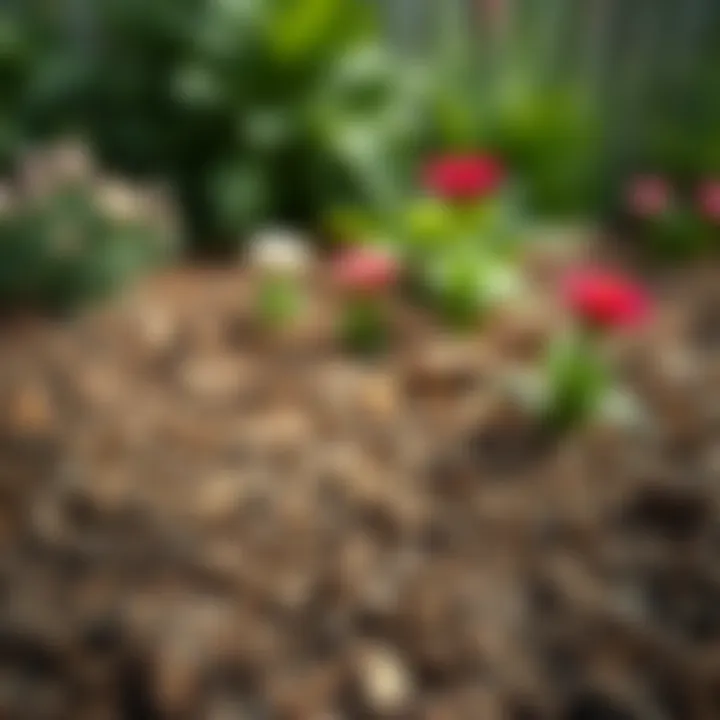
The key characteristic of amending soil is its transformative potential. Amending can enhance soil structure, increase nutrient availability, and improve moisture retention. For instance, well-mixed compost can enrich soil, offering a smorgasbord of nutrients that help flowers thrive while simultaneously choking out weeds.
Of course, it's not without challenges. For example, if amendments are not evenly distributed, it may lead to uneven growth across your flower bed. But, with a bit of elbow grease and vigilance, you can effectively create a fertile environment that flowers adore and weeds dread.
Spacing and Arrangement of Plants
Finally, don’t underestimate the importance of spacing and arrangement in your flower beds. Properly spaced plants not only gain access to the nutrients they need but also create natural barriers against weeds.
When arranging your plants, consider a layout that allows for airflow and sunlight to penetrate through the leaves. This approach enhances growth while minimizing the risk of weeds finding a cozy spot to settle. When plants are tightly packed, it’s harder for weeds to establish themselves, which is always a win-win situation for your garden.
Should you take care of these details, you’ll not only foster a healthy environment for your flowers but also cut down on the time you spend battling those pesky invaders.
Maintaining Flower Bed Health
Taking care of your flower beds goes beyond merely planting and watering flowers. It creates a foundation for a vibrant garden, keeps weeds and grasses at bay, and enhances overall health of your plants. When you maintain the health of your flower beds, you effectively reduce competition for nutrients, light, and water. Healthy flower beds not only bring beauty but also invite beneficial insects and improve soil quality.
Regular Maintenance Plans
Having a schedule for maintenance is akin to following a recipe; each ingredient plays a role in the overall outcome. Regularly tending to your flower beds involves several activities:
- Weeding: Regularly pulling weeds prevents them from taking hold. Do this every few weeks during growing seasons to keep unwanted plants at bay.
- Watering: Keeping a consistent watering schedule is critical. Flowers need moisture, especially during hot spells.
- Fertilizing: Apply the right fertilizers to nourish the soil. This ensures that the flowers get the nutrients they need without overfeeding, which can also lead to more weed growth.
- Mulching: A layer of mulch can suppress weed growth and retain soil moisture. Refresh it as needed to maintain its effectiveness.
Seasonal Considerations
Recognizing the seasonal aspects of gardening can help in formulating an efficient routine. Each season presents unique challenges and opportunities for flower beds:
- Spring: This season is prime for planting. Remove any weeds that survived the winter and enrich the soil. Watch for emerging pest problems early.
- Summer: Weeds can be relentless during hot months. Keep a vigilant eye and be ready to tackle them swiftly. Also ensure plants get adequate hydration.
- Fall: As plants die back, prepare for the cooler months by cleaning up dead foliage and adding organic material to enhance soil health for the next growing season.
- Winter: Even in winter, consider covering the beds with mulch or winter crops. This can protect the soil and keep it healthy until spring.
Monitoring for Recurrence
Staying alert for weeds or grasses that may want to rear their heads again is paramount in maintaining flower bed health. Regular monitoring practices include:
- Routine Checks: Make it a habit to inspect your flower beds every week or two. Early detection is half the battle.
- Document Changes: Keep a gardening journal where you note what works and what doesn’t. This creates a reference that can guide future maintenance strategies.
- Adjust Strategies: If certain weeds reappear frequently, consider changing your approach, like switching mulching materials or testing the soil for acidity and nutrient levels.
Effective maintenance of flower beds fosters ecological balance, which organically curtails weed growth while maintaining vibrant flowers.
By committing to these straightforward strategies, homeowners can promote flower bed health and simultaneously keep pesky grass and weeds at bay. An attentive approach pays off in the form of a picturesque garden that draws admiration from all who behold it.
The End
When it comes to keeping flower beds looking their absolute best, effective strategies for tackling grass and weeds are nothing short of vital. As we distill the information explored in this article, the heart of the matter remains clear: addressing unwanted flora not only promotes the aesthetic value of your garden but also ensures the well-being and growth of your cherished blooms.
Summarizing Effective Methods
To tie it all together, let’s recap the diverse methods you can deploy:
- Manual Removal: A hands-on approach with hand pulling or tools; it fosters connection with your garden.
- Organic Control: Techniques such as mulching, using boiling water, or vinegar as herbicide stand out for their ecological friendliness.
- Chemical Approaches: Knowledge of different herbicides allows for targeted interventions, with safety being a high priority.
- Preventative Measures: Being proactive with plant selection and soil management can save you significant effort in the long run.
- Maintenance Plans: Regularly tending to your flower beds helps you spot emerging threats before they become problematic.
Ultimately, the combination of these methods creates a robust framework for effective weed control, ensuring your flower beds flourish through careful attention and well-informed practices.
Encouraging Sustainable Practices
As we look forward, it's clear that sustainable gardening practices aren't just buzzwords; they're imperative for the longevity of our environment. By opting for organic methods whenever possible, you contribute to healthier ecosystems and safer habitats for beneficial insects. For instance, mulching with organic materials not only suppresses weeds but also enhances soil health by returning nutrients.
Implementing crop rotation and companion planting strategies diversifies your flower beds even more, making it harder for weeds to gain a foothold.
In addition, consider sharing your gardening experience with your community. Engaging in local gardening forums on websites like reddit.com or even social media groups can open new doors to innovative techniques and shared wisdom. Fortifying your knowledge with resources from reputable sites, such as wikipedia.com or britannica.com, can deepen your understanding of not just the plants but their interconnections within the ecosystem.