Comprehensive Guide to Grey Bathroom Design Ideas
Intro
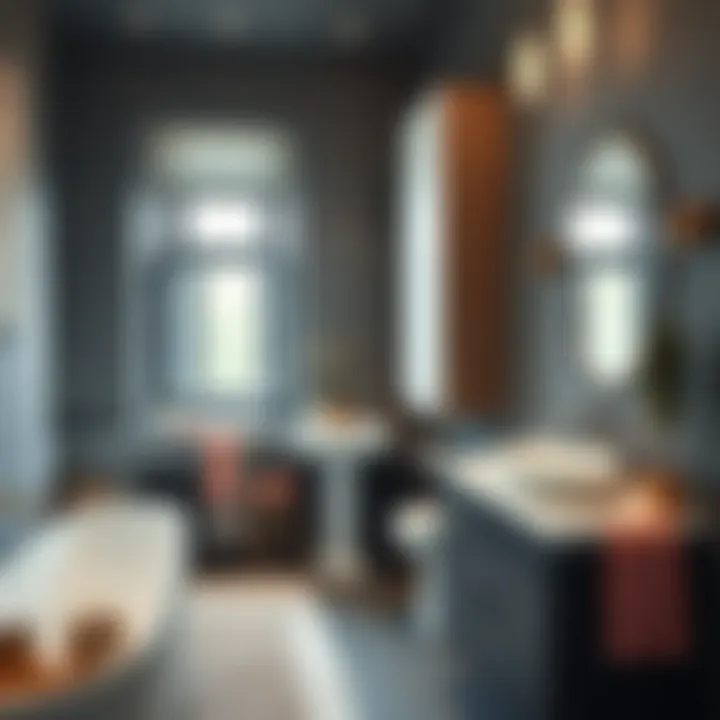
Grey has rapidly become a go-to choice for bathroom design, making its mark across various styles and aesthetics. It resonates with an air of sophistication and calmness that often provides the perfect backdrop for a personal sanctuary. If you’ve ever found yourself pondering paint swatches or tile samples while daydreaming about that blissful bathroom retreat, you’re not alone. This guide pulls back the curtain on the intricacies of grey bathroom design, offering insights into color psychology, trending materials, and practical applications.
Whether your taste leans toward modern minimalism, rustic charm, or something entirely in-between, grey acts as a versatile canvas that can adapt to your vision. In this comprehensive narrative, you’ll discover key insights into current trends, practical tips for bringing your ideas to life, and the harmonious interplay between aesthetics and function. Let’s dive right in and explore what grey can bring to your bathing experience and why it deserves a spot in your home.
Foreword to Grey Bathroom Design
Grey bathroom design has rapidly gained traction in modern interior aesthetics, capturing attention for its versatility and chic appeal. Unlike stark whites or bombastic bolds, grey offers a middle ground—calm yet distinct, subtle yet expressive. This neutrality in colour allows for easier design pairings, making it the go-to shade for homeowners and designers alike, aiming for a balance between elegance and comfort.
One of the essential aspects of incorporating grey into a bathroom setting is its ability to foster a serene atmosphere. Whether you lean towards soft greys that mimic the morning mist or deep charcoal tones reminiscent of stormy skies, each shade can evoke a unique feeling. The highlights of choosing grey range from emotional benefits to practical concerns.
Key Benefits of Grey Bathroom Design
- Timelessness: Grey is far from a fleeting trend. It has a classic quality that ensures your design remains relevant for years.
- Flexibility: As a neutral, grey works well with various materials and styles, from rustic woods to sleek metals.
- Complementary Nature: This shade pairs beautifully with other colours, making it a safe but stylish choice for those who wish to introduce additional hues.
Considerations for Choosing Grey
When selecting grey for your bathroom, it is crucial to keep in mind the underlying tones of each grey shade. Some greys may lean towards blue, while others have warmer undertones. Understanding these subtleties can help in achieving a cohesive look. Additionally, consider the size of your space: darker shades can make a room feel smaller, while lighter hues can open it up. Finally, lighting plays a paramount role in how grey is perceived, influencing the overall feel of the bathroom.
The Psychology of Colour in Bathrooms
When it comes to bathroom design, the shades we choose can have a profound effect on how we feel in the space. The psychology of colour isn't just some fanciful notion; it’s rooted in the way colours influence our moods and perceptions. Grey, in particular, holds a unique position in this realm. Whether you’re creating a soothing spa-like atmosphere or prioritizing cleanliness, understanding how color interacts with emotion can guide your decisions, ultimately crafting a bathroom that resonates with serenity and sophistication.
Calming Effects of Grey
Grey is often seen as a neutral player in the palette game, but it possesses a profound ability to soothe the spirit. This calming aspect can be traced back to its muted tones, which are reminiscent of overcast skies or tranquil waters. Choosing a soft grey for your bathroom walls can help create an oasis where stress and anxiety slip away.
Many find that this meditative effect makes grey an ideal choice for spaces meant for relaxation.
- Warm Greys: These lean toward beige or taupe, radiating comfort and warmth, making the space inviting yet calming.
- Cool Greys: More akin to steel or slate, they provide a modern, crisp aesthetic that still feels peaceful.
Associations with Cleanliness and Luxury
Grey is perceived not just as a colour, but as a synonym for cleanliness and sophistication. In a world filled with bright, intense hues that can often feel overwhelming, grey stands out because it's understated yet classically elegant. This is especially relevant in bathrooms, where hygiene and freshness are top priorities.
Luxury items often feature shades of grey; it presents a modern yet timeless feel. Think of high-end hotels or posh spas—more often than not, they lean on greys to convey a sense of upscale charm without being ostentatious.
- Visual Impact: Grey installations, like marble countertops, can instantly elevate the look of a bathroom, evoking thoughts of refined taste.
- Reflection of Light: Grey surfaces can enhance natural light, allowing it to bounce and fill the space, creating the illusion of a larger room.
This dichotomy of cleanliness combined with luxury makes grey an excellent choice. It’s versatile enough to support a range of styles, from minimalist to traditional, while still adhering to a sense of refinement.
"Grey represents a balance, a peaceful midpoint between light and dark, making it perfect for spaces like bathrooms where balance is key."
Choosing the Right Shades of Grey
Choosing the right shades of grey can make or break the overall aesthetic of your bathroom. This nuanced color brings a sense of calm, sophistication, and versatility that few other colors can match. Selecting the perfect shade isn't just about taste; it's about how that hue interacts with light, the other colors in your space, and the emotions you wish to evoke in the room. A misstep in shade selection can result in a space that feels harsh or overly cold, which is the exact opposite of what one aims for in a sanctuary like the bathroom.
When considering grey for your bathroom, think about your intended atmosphere. Do you want the space to feel cozy and inviting, or sleek and modern? The shades of grey you choose can help direct that atmosphere effectively. Furthermore, understanding the nuances between warm and cool greys as well as the balance between light and dark shades can elevate your design considerably.
Warm vs. Cool Greys
Warm and cool greys each have their unique charm and influence on bathroom design. Warm greys often embody a subtle beige or taupe undertone, giving a sense of comfort and approachability. These shades can create an inviting ambiance, perfect for bathrooms where warmth is essential. You might find that pairing warm greys with natural wood elements enhances the cozy effect, making your bathroom feel like a true retreat.
On the flip side, cool greys lean more towards blue or green undertones. These shades impart a modern, sleek feel. Cool greys can make a small bathroom feel more expansive and airy, especially when combined with white fixtures and clean lines. Designers often choose cool greys when aiming for a minimalist aesthetic or a contemporary space.
Most importantly, always test your grey shades in the actual space where they will be used. Viewing these hues under different lighting at different times of the day can result in significant shifts in perception.
"The color grey, while often overlooked, can elegantly shift the mood of a space, guiding us towards serenity or even drama, depending on the shade.”
Dark Greys vs. Light Greys
When it comes to light versus dark greys, both can make striking statements in bathroom design, but each serves a distinct purpose. Light greys are great for creating an airy feeling, often making rooms seem larger and more open than they are. They reflect light beautifully, integrating well with other bright colors or textures. Light greys pair exceptionally well with vibrant accent colors, bringing life into a neutral palette.
Conversely, dark greys present a bold statement. They evoke a sense of depth and luxury. When used wisely, dark greys can lend an air of elegance and sophistication, especially when juxtaposed against lighter elements. However, one must tread carefully, as too much dark can make a space feel closed off or cramped.
When deciding between dark and light, consider your bathroom's size, the amount of natural light it receives, and the overall design scheme you want to achieve. Balancing light and dark greys can also offer a layered effect that adds dimension and interest to your overall design.
Material Selection for a Grey Bathroom
When designing a bathroom with grey as the central theme, the choice of materials can significantly influence both the aesthetic and functional qualities of the space. Grey has a unique ability to serve as a neutral backdrop, allowing other colors and textures to flourish. However, not all materials are created equal, and selecting the right ones requires a careful evaluation of durability, maintenance, and compatibility with design elements. By prioritizing the right materials, you can ensure the longevity of your bathroom while achieving a sophisticated, stylish look.
Tiles: Options and Trends
Tiles serve as the foundation of any bathroom design, and when it comes to grey, the options are as diverse as they are stylish. Ceramic, porcelain, and natural stone tiles are popular choices, each offering distinct benefits. Ceramic tiles tend to be cost-effective and relatively easy to maintain, while porcelain tiles provide enhanced durability and water resistance. On the other hand, natural stones like slate or granite can imbue a luxurious feel, although they often require specialized care.
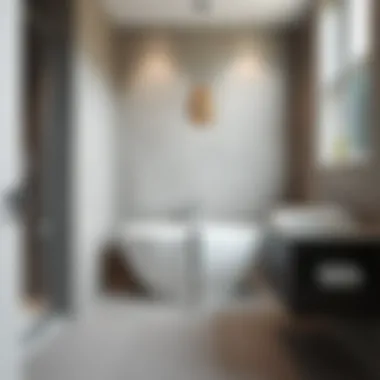
Current trends lean towards larger tiles, as they create a seamless look that can make spaces appear larger. Textured tiles can also add depth and interest, perfect for a monochromatic scheme.
- Matte vs. Glossy Finishes: Matte tiles can provide a softer, more subtle look while glossy finishes reflect light, potentially enhancing the brightness of a grey bathroom.
- Bold Patterns: Consider tiles with bold patterns or integrated color veins that can add an unexpected twist to your grey palette.
Countertops and Sinks: Material Choices
The choice of countertops and sinks cannot be overlooked in your grey bathroom design. Materials such as quartz, granite, and marble can provide elegance and durability. Quartz, in particular, is a favorite among homeowners due to its non-porous surface, which is resistant to stains and easy to clean. Granite offers natural beauty with its unique patterns, whereas marble brings a classic, timeless touch, albeit with a need for more care.
Notably, selecting a sink that complements your countertops adds to the aesthetic unity of the space.
- Undermount vs. Vessel Sinks: An undermount sink can create a seamless look with the countertop, while a vessel sink can serve as a statement piece. Both styles can align beautifully with grey hues, depending on the material and color of the sink.
Fixtures and Fittings: Enhancing Elegance
Fixtures and fittings, despite their often-overlooked role, play a substantial part in achieving your desired atmosphere. With grey designs, choosing fixtures can either complement or contrast beautifuly with the grey elements in the room. Metal finishes like chrome, brushed nickel, or matte black can elevate the space from ordinary to chic.
- Taps and Showerheads: For a contemporary feel, consider sleek, minimalistic designs. On the other hand, vintage-inspired styles can offer a charming contrast to modern grey.
- Lighting Fixtures: Opt for statement pieces that enhance your grey palette. Whether it be a modern pendant light or classic sconces, the right fixtures can make a huge difference in your bathroom’s ambiance.
Incorporating Texture in Grey Designs
Texture plays a pivotal role in transforming a grey bathroom from merely functional to extraordinarily inviting. In a grey-themed space, visual and tactile interest can often get lost in the simplicity of color. The trick to maintaining engagement lies in mixing textures thoughtfully. A bathroom, lacking tactile variety, can feel cold and sterile, much like an empty room where no one wants to dwell. By incorporating varied textures, one can curate an atmosphere that feels rich and layered, making the space far more enjoyable.
Benefits of Texture in Bathroom Design
- Visual Interest: Grey can sometimes be perceived as monotonous. Introducing textures breaks that potential visual dullness by creating focal points.
- Enhanced Comfort: Soft surfaces encourage a relaxed experience, while rougher materials can add character, giving a sense of welcoming warmth.
- Contrast and Depth: Differences in texture contribute to a multidimensional look, which is particularly captivating in the bathroom setting.
When implementing texture, considerations must include the balance among materials, overall design goals, and practicality. Each texture must complement the next and the overarching grey theme, integrating harmoniously.
Adding Depth with Textured Wallpaper
Utilizing textured wallpaper in a grey bathroom is akin to adding a hidden gem to your design toolkit. This approach can create depth and dimension without overwhelming the senses. Consider wallpapers that mimic natural elements like stone, wood, or organic patterns. Such designs elevate your bathroom while maintaining a serene ambiance.
Choosing the right pattern and material is crucial. For instance, a subtle stone effect can add rugged charm without being too overpowering. Conversely, a smooth finish offers a more streamlined look. Remember, the wallpaper you select should echo the style and theme of your space. Make sure to use a splash-proof option, given the humidity in bathrooms.
"A well-chosen wallpaper can be the thread that ties all the elements of a bathroom together, creating coherence without sacrificing individuality."
Utilizing Natural Materials
Incorporating natural materials into a grey bathroom design brings authenticity and warmth to an otherwise cool palette. Wood elements, for example, can work wonders against grey tones; the contrast evokes comfort while grounding the space.
Whether it’s wooden cabinetry, bamboo shelving, or even decorative accents like potted plants, natural touches can soften the austere nature of grey. Furthermore, these materials ooze character, telling a story about their origin and craftsmanship. Additionally, stone elements like marble or slate complement grey beautifully, conveying a sense of luxury while being practical for wet environments.
To knit these materials seamlessly into your design, consider:
- Consistency in Colors: Ensure that the wood or stone finishes resonate well with your grey tones. Expect variations and tones that can accentuate your chosen grey shade.
- Functional Versatility: Materials should not only support aesthetic purposes but should also hold up against damp conditions. Opt for tiles that look like wood for a hybrid functional approach.
By thoughtfully merging texture into your grey bathroom design, one can create a space that feels both contemporary and inviting, marrying style with functionality.
Mixing Grey with Other Colours
Embracing grey in bathroom design doesn't mean you must stick to a monochromatic palette. Mixing grey with other colours can add so much character and dimension, transforming a serene space into a vibrant retreat. By understanding the harmony and contrast that colours create with grey, homeowners can craft a bathroom that's not just functional, but also a reflection of personal taste. It’s wise to consider the mood and ambiance one wishes to create, as well as how different colours work with various shades of grey.
Complementary Colours to Enhance Grey
When we talk about complementary colours, we're discussing shades that naturally pair well with grey, enhancing its essence while avoiding a dull or lifeless appearance. For instance, soft pastels such as blush pink or mint green can create a whimsical yet elegant atmosphere. Conversely, rich colors like navy blue or deep forest green inject depth and sophistication into a grey backdrop.
These hues not only balance out the starkness of grey but also allow for greater expression in a bathroom space. Some popular combinations include:
- Grey and Yellow: A sunny yellow can brighten up an otherwise cool grey room, providing a cheerful contrast.
- Grey and Burgundy: A deep burgundy can evoke feelings of warmth and luxury with grey serving as a calm counterpoint.
- Grey and Teal: This combination strikes a balance between traditional and modern aesthetics, creating a fresh vibe that's simply inviting.
Using these complementary shades can help highlight features such as fixtures or art pieces while maintaining a cohesive look.
Accompanying Patterns for Visual Interest
Patterns offer yet another layer to the unfolding narrative of grey bathrooms. By incorporating patterns into the design, you can lift the space from flat to fabulous. Imagine patterned tiles, which, when combined with grey walls or vanities, introduce an element of surprise and flair.
Stripes or geometric patterns are excellent choices that can range from bold to subtle, depending on personal preference. Here's how patterns enhance grey bathrooms:
- Wallpaper: A patterned wallpaper can serve as an accent wall, drawing the eye and adding personality.
- Textiles: Towels, bath mats, and curtains present opportunities to introduce complementary hues and dynamic patterns without overwhelming the room.
- Tile Designs: Utilizing patterned tiles in a shower or as a backsplash can capture attention and serve as an artistic focal point, all while grounding the space in the neutrality of grey.
In summary, mixing grey with other colours and patterns is a simple yet powerful tool in bathroom design. By carefully selecting colours that complement and enhance grey, as well as introducing patterns to break monotony, you can achieve a harmonious balance that showcases personal style. The objective is to craft a space that feels both intentional and inviting.
Style Approaches in Grey Bathroom Design
Grey serves as a versatile canvas in bathroom design, allowing for a multitude of style approaches that can fit various tastes and preferences. Choosing a style not only defines the room’s aesthetic but also sets a mood for relaxation and functionality. Each approach brings its unique elements, allowing homeowners to tailor their bathroom experience according to their lifestyle and design vision. Thus, understanding different styles promotes informed decisions, maximizing both beauty and practicality in bathroom spaces.
Modern Minimalism: Clean Lines and Space
Modern minimalism in bathroom design emphasizes simplicity and functionality, relying heavily on clean lines and a clutter-free environment. The elegance of grey shines in this approach; it can make even the smallest bathroom feel airy and expansive by using soft, muted shades. Think of light grey walls paired with sleek white cabinetry or polished chrome fixtures, creating a calm, uniform look.
A key benefit of this style is its ease of maintenance. With fewer decorative elements, cleaning becomes a breeze. Moreover, the choice of materials often leans toward the durable and the lightweight, fitting for modern lifestyles. Characteristics of modern minimalism include:
- Neutral Palette: Emphasizing grey alongside whites and blacks creates an elegant balance.
- Functional Fixtures: Opting for wall-mounted sinks and toilets maximizes floor space.
- Lack of Ornamentation: Focus remains on the structural elements rather than on decorative additions.
This style not only visually appeals but also represents a philosophy of living that favors less clutter while encouraging mindfulness.
Industrial Elegance: Raw and Refined
Contrary to minimalism, the industrial elegance style embraces raw materials and a sense of ruggedness. Imagining a bathroom with exposed brick walls in earthy dark grey showcased with stainless steel fittings beautifully merges toughness with sophistication. This design approach often borrows from urban aesthetics, where functional beauty takes center stage.
Key elements of industrial elegance include:
- Exposed Pipes and Ducts: Displaying mechanical aspects as part of the decor.
- Mix of Textures: Pairing slick grey tiles with wooden elements or metal lighting fixtures adds depth. This contrast can create a striking visual appeal.
- Artistic Fixtures: Choosing vintage or industrial-style sinks and mirrors enhances the character of the space.
This approach is particularly beneficial for those who appreciate a narrative in their home design, as it tells a story of rugged urban life, all while retaining a refined touch.
"Industrial elegance doesn’t shy away from imperfections; it embraces them as part of its charm."
Classic Charm: Timeless Grey Accents
For those who appreciate a more traditional feel, classic charm allows the use of grey in a way that evokes timeless elegance. This style draws inspiration from historical designs yet adapts it for modern uses. Subtle patterns in grey wallpaper paired with intricate moldings elevate the ambiance to something warm and inviting.
In this style, the grey may take on warmer hues, perfectly complementing wooden cabinetry and vintage-inspired fixtures. Critical features of classic charm in grey bathroom design include:
- Intricate Details: Crown moldings and wainscoting adorned in softer greys add sophistication.
- Vintage Fixtures: Using brass or antique-style taps helps maintain that traditional feel without sacrificing modern convenience.
- Lush Fabrics: Towels and rugs in varying shades of grey introduce comfort without overpowering the design.
Ultimately, this approach ensures that the bathroom remains ageless in its appeal, allowing homeowners to enjoy luxe designs while feeling at home. Classic charm is perfect for those who value craftsmanship and detailed aesthetic.
In summary, each of these styles emphasizes a different facet of grey bathroom design, whether it be through the simplicity of modern minimalism, the ruggedness of industrial elegance, or the refined sophistication found in classic charm. By understanding these distinct approaches, individuals can better envision the grey bathroom that aligns with their vision.
Lighting Considerations for Grey Bathrooms
When it comes to grey bathroom design, lighting plays a significant role that cannot be overlooking. The hues of grey can interact with the light in ways that make your bathroom either inviting or stark. Proper lighting enhances the aesthetic, emphasizing the sophistication of grey shades while also ensuring the space remains functional. Selecting the right lighting can transform how space feels, making it either a serene retreat or a bright space to start your day.
Natural Light and Its Influence
Natural light, that golden gift from the sun, can completely change the game in a grey bathroom. Ideally, you’d want to maximize any natural light that comes through windows or skylights. Not only does it make the grey appear more vibrant, but it can also create a soft ambiance that many homeowners yearn for.
For example, a bathroom with a large window allowing sunlight to pour in can give warm tones to a cool grey paint, softening the overall look. This means that your chosen shade can look different throughout the day, as the light shifts and changes.
Think about window treatments too—light, airy curtains or blinds that allow light to filter in can work wonders.
Remember, if natural light is limited, you can use mirrors strategically to bounce around whatever light you do have. Mirrors can not only create an illusion of space but also reflect light, amplifying its effect.
Layering Artificial Lighting
While natural light is essential, failing to layer artificial lighting can leave a grey bathroom feeling dim or unwelcoming—like a cloud hanging overhead. Layering is the trick where you combine multiple light sources, such as ambient, task, and accent lighting, to create a well-rounded illumination.
Ambient lighting serves as the general light in the room. Think ceiling fixtures or recessed lighting, which provides an even glow. For bathrooms, it’s usually best to keep these lights on the softer side; bright lights can be harsh against grey tones.
Task lighting is where you’ll want to shine a bit more. Light fixtures over mirrors or by vanities should provide bright, clear lighting to ensure that grooming tasks can be done with ease. LED vanity lights can be an excellent choice for this, offering both energy efficiency and clarity.
Accent lighting might be the cherry on top, adding depth and character. Consider wall sconces or backlit features that can highlight unique decor or textured elements in your grey space.
"Lighting transforms a room; it’s not just about brightness, but the ambiance it creates."
Failing to consider layering artificial lighting can leave a space that feels flat and uninviting, regardless of how well the decor has been chosen. By thoughtfully combining ambient, task, and accent lights, your grey bathroom can truly become a haven of style and comfort.
Sustainable Choices in Design
Designing a grey bathroom doesn't merely happen in a vacuum; it intertwines with eco-conscious choices that resonate with today's environmentally aware homeowners. Many folks are now recognizing the significance of sustainability in their living spaces, which doesn’t just reflect a personal ethos, but also enhances the overall aesthetic of the home. By opting for sustainable practices in design, one can ensure that the elegance of grey bathrooms is complemented with an ethical responsibility towards the environment.
One of the key considerations here is the long-term impact that materials and products have on both our living spaces and the planet. Sustainable choices, such as using eco-friendly materials and water-saving technologies, not only contribute to a healthier environment but often lead to savings in maintenance and utility bills. You can think of this approach as not just a trend but rather a long-term investment in the quality of life.
"Sustainability isn’t a checklist; it’s a mindset."
Eco-Friendly Materials and Practices
When one delves into the realm of sustainable materials, the options are broader than many might think. Many eco-friendly materials are available that align beautifully with the grey palette. For instance, consider bamboo and cork for flooring; these materials are not just renewable but are also highly durable. They provide a natural warmth that can harmonize with the cooler tones of grey.
Another element is the choice of tiles. Recycled ceramic tiles can evoke a sense of modernity while being kind to the planet. These tiles come in an array of sizes and finishes, easily accommodating varied design preferences.
For wall surfaces, many homeowners are exploring low-VOC paints and finishes. These not only help improve indoor air quality but also retain that sophisticated grey sheen without the harmful chemicals found in conventional paints. Incorporating indoor plants into the design can further purify the air while adding life to your space—plants thrive in bathrooms, especially in those with adequate natural light.
Water-Saving Fixtures and Technologies
Water usage is a significant concern in modern design. In a grey bathroom, choosing water-saving fixtures can be a game changer both financially and environmentally. For instance, installing dual-flush toilets allows users to conserve water with each flush, which is particularly helpful in homes with multiple bathrooms.
Faucets and showerheads designed for water efficiency are another terrific way to reduce consumption without sacrificing performance. Featuring technologies like aerators can help create a luxurious flow while keeping water usage in check. Another innovative solution comes in the form of smart shower systems, which can monitor water usage and adjust flow accordingly.
In essence, every decision from paint to plumbing can have rippling impacts not only within the four walls of your bathroom but well beyond. Not only do these sustainable choices elevate the grey aesthetics of your bathroom, they now forge an undeniable connection between style and substance—ensuring that your design choices today foster a better tomorrow.
Maintenance Tips for Grey Bathroom Designs
Maintaining a grey bathroom isn't just about keeping it looking fresh; it's about preserving the elegance and sophistication that this color scheme brings to your space. Grey, while a neutral hue, has its nuances that can be easily affected by dirt, moisture, and wear. With a little effort and awareness, homeowners can not only sustain the beauty of their grey bathroom but also prolong the life of the materials used.
Cleaning and Upkeep of Grey Materials
Grey materials, whether they be tiles, paint, or fixtures, require specific care to keep them sparkling. Regular cleaning helps prevent the build-up of grime which can dull the color and texture. Here are some pointers:
- Use pH-Balanced Cleaners: Avoid harsh chemicals that can damage finishes. Stick to pH-balanced solutions for cleaning surfaces.
- Soft Cloths or Sponges: Opt for non-abrasive materials when scrubbing. Microfiber cloths do a great job at lifting dirt without harming surfaces.
- Seal Grout Lines: If your bathroom features tiled surfaces, regularly sealing grout lines can prevent stains and mildew. It's a small task that makes a big difference.
- Vinegar and Water Solution: A simple mix of vinegar and water can work wonders for wiping down surfaces, leaving them bright without harmful residues.
Keeping your grey bathroom clean relieves you from issues of permanent staining and assists in maintaining a crisp, chic aura.
Addressing Wear and Tear
Despite your best cleaning efforts, wear and tear can still creep into your grey bathroom. Here are strategies to tackle and prevent common issues:
- Immediate Repair of Scratches and Chipped Paint: Address any nicks or scratches as soon as they appear. A color-matched touch-up paint can save you from larger problems down the road.
- Regular Inspection: Keep an eye out for signs of moisture or mildew in the corners and caulking. Catching these issues early can prevent major repairs later.
- Recaulking: Over time, the caulk around sinks and tubs may degrade. Replacing it can prevent water damage and keep a tidy line around fixtures.
- Replace Fixtures as Needed: If fixtures begin to show signs of corrosion or breakage, replacing them can revitalize the space and ensure functionality.
Keeping a vigilant eye on wear and tear ensures that your grey bathroom retains its allure. The right care can extend its lifespan significantly, making it not just a beautiful space but a reliable one as well.
"An ounce of prevention is worth a pound of cure." Taking the time to maintain your grey bathroom can save you headaches in the future.
With these maintenance tips, homeowners can enjoy their stylish yet serene grey bathrooms for many years ahead.
Showcase of Inspiring Grey Bathroom Designs
When it comes to redesigning a bathroom, the aesthetic and functional aspects often go hand in hand, particularly when you incorporate grey into the palette. The showcase of inspiring grey bathroom designs plays a crucial role in this conversation. It's not merely about putting various elements together—it’s about crafting a cohesive space that speaks to both elegance and practicality. The modern bathroom is much more than a utilitarian space; it’s often a sanctuary, a place to unwind after a hectic day.
Contemporary Innovations
In recent years, the realm of grey bathroom designs has seen a myriad of contemporary innovations. One notable trend is the integration of smart technology. Imagine stepping into a bathroom that adjusts lighting based on your mood or even plays your favorite playlist as you unwind. These innovations cater not just to convenience but also enhance the overall ambiance. More specifically, look at smart faucets or water-saving fixtures like the Moen Arbor, which combines innovation with sustainability.
Textures are also gaining traction. For example, a glossy grey tile paired with matte black fixtures can create a stunning contrast. This interplay of different textures not only adds depth but invites curiosity. The use of reclaimed wood accents within grey bathrooms lends a unique charm that meshes rustic appeal with a modern twist. Incorporating elements like floating vanities that are painted in soft greys allows for an airy feeling, balancing modern design with functionality.
Classic Inspirations
Turning our gaze to classic inspirations, there’s a lot to take note of. Designers are harking back to the timeless elements that make grey a staple in many homes. Think about the subtle elegance of Victorian-era tiles, often characterized by intricate patterns. These designs can blend seamlessly into a more contemporary setup, letting you strike a balance between old-world charm and new-age minimalism.
Moreover, classic grey with white marble accents—like a beautifully veined Carrara marble countertop—evokes a sense of luxury. Such choices not only age gracefully but also maintain an elegance that transcends trends. Fixtures are being selected with a nod to the past; think polished nickel faucets that have a vintage flair, complementing the grey beautifully.
Incorporating timeless grey walls or allowing a touch of grey in cabinetry can provide continuity in design. The beauty of classic inspirations lies in their adaptability; they have the ability to fit into various themes—be it Scandinavian, Industrial, or even Farmhouse.
Choosing to embrace grey in bathroom design is not just about following a current trend; it’s about understanding how powerful and versatile this color can be.
To summarize, showcasing inspiring grey bathroom designs encourages homeowners and design enthusiasts alike to explore a myriad of textures, innovations, and timeless elements. Whether through contemporary technology or a nod to classic approaches, the options are virtually limitless. Each design choice invites an opportunity to blend sophistication with personal style.
Closure: The Future of Grey Bathroom Design
As we step deeper into the realm of bathroom aesthetics, grey retains its prominent position on the design palette. Its versatility is unmatched, seamlessly adapting to the latest trends while providing a sense of timelessness. Embracing an ever-evolving landscape, the future of grey bathroom designs looks bright and full of potential.
Importance of Grey in Future Designs
Grey continues to be a favorite for many homeowners and designers alike, and for good reasons:
- Adaptability: Grey comes in a myriad of shades and tones, allowing it to complement an array of styles. Whether you lean towards modern minimalism or a classic approach, there's a shade of grey that fits.
- Flexibility with Accents: Grey acts as a perfect backdrop for pops of color. By adding vibrant hues through accessories or fixtures, spaces can transform quickly without the need for major renovations.
- Sustainability: Eco-conscious design choices are on the rise. Grey materials can often be sourced from reclaimed or sustainable sources, marrying aesthetics with environmental responsibility.
Considerations for Integration
Looking forward, several key considerations will shape how grey is used in bathroom spaces:
- Technology: Smart technology in bathrooms continues to advance, allowing for enhanced lighting and features that interact effortlessly with grey design elements, enhancing ambiance.
- Personalization: The trend towards the personalized space is growing. Grey enables homeowners to imprint their individuality by mixing textures and finishes, making the space uniquely theirs.
- Sustainability Practices: As green design takes the forefront, utilizing energy-efficient fixtures and sustainably sourced materials will marry elegance with ecological responsibility.
The Essence of Balance
"In the quest for beauty, balance plays a critical role. Grey bathrooms exemplify this concept. A blend of aesthetics and functionality, they usher in an era of calm and sophistication."
Ultimately, the future of grey bathroom design hinges on a balanced approach that blends creativity with intention. As we adopt new ideas and practices, one thing remains certain: grey will continue to influence bathroom design, creating spaces that soothe and inspire.
Embracing this timeless shade means elevating our spaces into sanctuaries, ensuring comfort while nurturing our creative spirits. For those curious minds looking to invest in their homes, understanding the grey palette could be a key move in creating a flourishing bathroom experience.
For more insights on trends and practices in home design, consider visiting resources like Wikipedia on Color Psychology or Britannica on interior design trends.