Focal Wall Design: Transform Your Living Space
Intro
In the world of interior design, few concepts wield the power to transform a space quite like the focal wall. This element not only garners attention but also serves as a unique narrative thread throughout the room. It reflects personal style while simultaneously enhancing the aesthetics of the environment. With the right approach, a focal wall can elevate a mundane area into a visually striking point of interest, presenting a harmonic blend of colors, textures, and materials.
Understanding the significance of a focal wall is essential for any homeowner or enthusiast looking to amplify their decor. It’s not just about aesthetics, but also about the psychological effects it has on us. A well-designed focal wall can spark joy, create a sense of balance, and even influence the flow of energy in a room. As you delve deeper into the realm of focal wall design, you will discover that the possibilities are not only extensive but also highly personalized.
This guide aims to illuminate various strategies for creating stunning focal walls while examining how different design choices impact both the visual and emotional perception of a space. From daring color schemes to innovative material combinations, every decision plays a vital role in crafting the perfect focal point. Let’s jump into the heart of this topic to uncover trends and practical insights that can transform your living areas into reflections of your unique perspective.
Understanding Focal Wall Design
Creating a focal wall in a space can fundamentally transform how a room feels and functions. It's not merely about aesthetics; it’s about crafting an experience. A well-designed focal wall offers depth, character, and mood alignment, guiding the eye and enhancing the overall design narrative of the space.
Definition of a Focal Wall
A focal wall is, at its core, a designated wall that draws attention and serves as a visual anchor in a room. It can be distinguished by a contrasting color, unique material, or perhaps an exquisite piece of art hung centrally. Unlike a typical wall that may blend into the surroundings, a focal wall invites people to engage. Think of it as the stage in a theater—while the backdrop is important, it’s the focus that the audience watches intently.
Some common examples of focal walls might include:
- Accent Walls: Usually painted in bold or dark colors to create contrast.
- Feature Walls: Made from textured materials such as wood or stone.
- Art Displays: Spaces designed specifically to showcase artwork or curated collections.
Role in Interior Design
In interior design, focal walls play a crucial role in establishing the overall tone of a room. They provide a sense of organization and structure while also facilitating a flow of energy. Interior designers often leverage focal walls to achieve various goals, from creating warmth to invoking a sense of luxury.
Consider how a bold, bright wall might electrify a living room, invigorating social gatherings. Conversely, a soft, pastel wall can evoke calmness in a bedroom, promoting relaxation and rest. The choice of color, texture, and items displayed on a focal wall can subtly steer the emotional response of anyone who enters the space.
A few key considerations when it comes to integrating focal walls into your designs include:
- Contrast with Surroundings: A focal wall should stand out, whether through color or material.
- Functional Aspect: Does the design add to the room's purpose? For instance, a bookshelf wall not only looks good but also serves a practical function.
- Adaptability: The beauty of focal walls is their capacity for evolution. They can be easily updated with art changes, seasonal decor, or new paint colors.
"A well-chosen focal wall coordinates the elements of a space, striking a balance between design and function."
Establishing the Purpose of a Focal Wall
Establishing the purpose of a focal wall is not just a matter of aesthetics; it plays a pivotal role in shaping the overall vibe of a space. Understanding this purpose can lead to more intentional design choices that resonate with personal style while serving practical functions. A well-thought-out focal wall can enhance the visual coherence of a room and help individuals express their personality and preferences through design.
Enhancing Visual Interest
When it comes to interior design, visual interest keeps the gaze of visitors and inhabitants alike engaged. A focal wall serves as a canvas where textures, colors, and patterns can harmonize to create captivating visual elements. Consider the impact of a bold color, let’s say a deep navy blue, against lighter tones in the surrounding environment. This approach can make a striking statement without overwhelming the entire room. Alternatively, textural contrasts, like a brick veneer wall next to smooth drywall, add a dimension that invites touch and exploration.
Here are some factors one can ponder for enhancing visual interest:
- Contrasting Materials: Mixing different materials like wood and metal can create depth.
- Artful Display: A collection of framed photographs, abstract art, or even shelves brimming with plants can add layers that draw the eye.
- Pattern Play: Geometric patterns or artistic wallpaper can invigorate a wall's appeal.
Each element on your focal wall can tell part of a story, and when they come together, they can narrate the tale of your space.
Creating a Center of Attention
A focal wall is effectively your space’s attention magnet. It guides how individuals navigate the room, drawing their attention toward a specific area. This visual anchor can be crucial, especially in open-concept spaces where the eye often wanders. Imagine a cozy living room where a focal wall showcases an oversized piece of artwork or a well-crafted fireplace; this becomes the heart of the room.
A center of attention can be achieved through various methods:
- Highlighting Furniture: Positioning striking furniture pieces against a focal wall can create a cohesive look.
- Feature Lighting: Spotlighting the focal wall with creative lighting solutions can enhance its appeal, drawing visitors closer.
- Using Symmetry or Asymmetry: Depending on the mood you want to set, symmetrical arrangements provide balance while asymmetrical configurations can evoke surprise and curiosity.
Defining Spaces
Focal walls are not merely design choices; they play a functional role in defining spaces within a larger area. In a studio apartment, a focal wall can establish boundaries, separating the living area from the sleeping nook. It marks transitions, helping individuals understand where one function ends, and another begins without putting up physical barriers.
Here’s how a focal wall can contribute to defining spaces:
- Visual Cues: Utilizing different colors or materials can signal a shift from one area to another.
- Screening Off Areas: Using shelves or decorative panels on a focal wall can subtly delineate spaces while still maintaining open-concept flow.
- Enhancing Functionality: It can house essential elements such as a television, bookshelves, or even a mini-bar, putting multipurpose functionality into the limelight.
Ultimately, establishing the purpose of a focal wall swathes your space in intention and thoughtfulness. When you take time to consider how this design choice influences visual interest, creates a center of attention, and defines spaces, you elevate the entire room’s atmosphere, making it not just a place, but a sanctuary that reflects who you are.
For further reading on visual interest in design, check out Wikipedia on Interior Design or Britannica's Insight on Space Design.
Choosing the Right Location for Your Focal Wall
Selecting the right location for your focal wall is akin to laying the foundation of a sturdy house. It's fundamental to the overall design of your space and can significantly shape the atmosphere in any room. The focal wall acts as both a centerpiece and a framework for your décor; therefore, its placement is critical in ensuring it functions as intended. Ideally, you want your focal wall to complement the existing features of your space rather than compete with them.
Here are a few key factors to consider when deciding on the right spot:
- Visibility and Perception: The focal wall should be easily visible when you enter the room. It should draw the eye and immediately communicate the design intention behind it. Think about common areas like the living room or dining room — these spaces often benefit most from a well-placed focal wall.
- Contextual Relevance: Factor in the surrounding elements. The wall you choose needs to be relevant to the activities that typically occur in that space. For instance, if it's a reading nook, a focal wall showcasing bookshelves could work wonders.
- Traffic Flow and Functionality: Remember that the placement should ensure that it does not obstruct movement or function. Avoid corners that might restrict access, particularly if the focal wall supports artistic installations, shelves, or lighting arrangements.
Identifying the right location is not just a matter of aesthetics but also practicality. By placing the focal wall thoughtfully, you maximize its potential and enhance the functionality of the room.
Identifying Optimal Spaces
When it comes to pinpointing optimal areas for a focal wall, consider the layout and design of your home. Areas of high foot traffic often serve better as focal points compared to secluded corners.
For example, in a living room setting, aligning your focal wall with the seating arrangement can create an engaging atmosphere. It becomes a backdrop for gatherings, making it essential for homeowners who regularly entertain. Additionally, think about where the natural flow of light falls; areas receiving ample light can enhance the features you intend to highlight on your focal wall.
Take an inventory of spaces like your hallway, entryway, or even a staircase landing. Sometimes, these less conventional locations can be transformed into eye-catching focal points. Mapping out a plan on how these areas tie into your overall design concept will make a world of difference.
Consideration of Light and Layout
Light – both natural and artificial – plays a pivotal role in how a focal wall is perceived. Natural light can do wonders, accentuating colors and materials, making textures pop. If you're considering a bold color or distinctive material, ensure it’s positioned in a way that benefits from light exposure.
Conversely, low-light areas may need thoughtful considerations for artificial lighting. Spotlights or wall sconces can breathe life into darker corners, ensuring your focal wall serves as the alluring centerpiece, even when the sun dips low.
Layout also directly impacts how spacious or cramped a room feels. A well-placed focal wall can help delineate spaces without the addition of physical barriers. It's about cleverly designing your room so that each area speaks to the other while maintaining its unique characteristics. Whether you opt for a bold mural in a small room or a minimalist design in a more expansive area, finding harmony is key.
In summary, choosing the right location for your focal wall requires a blend of aesthetic awareness and practical considerations. It’s about creating an engaging visual landscape while ensuring fluidity and function in your space.
"The placement of decor can shape perception; a carefully considered focal wall can transform not just a wall, but an entire environment."
Links for further reading:
- Wikipedia - Design Basics
- Britannica - Interior Design Overview
- Reddit - Home Decor Community
- Gov - Guidelines on Interior Spaces
Materials and Textures in Focal Wall Design
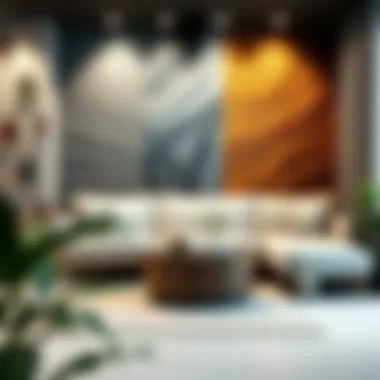
When it comes to crafting a captivating focal wall, the materials and textures you choose can make all the difference. The right combination not only adds depth and interest but also sets the mood for the entire space. Exploring various options can inspire homeowners to think outside the box, ensuring that the chosen elements complement the overall aesthetic. Here, we will look into some compelling choices that can energize your design journey.
Paint and Wallpaper Options
Choosing between paint and wallpaper is often the first decision in focal wall design. Each presents unique advantages that can transform a room’s character.
Paint offers the flexibility of color selection. One can opt for bold, dramatic hues or soft pastels, playing with shades that match or contrast with the existing decor. A solid color can also be accented with stripes or geometric patterns, applying a DIY touch that's easy to change down the road.
On the flip side, wallpaper presents a much broader canvas of design possibilities. From intricate floral motifs to modern abstract designs, the variety is vast. Many contemporary wallpapers even mimic textures like wood or stone, enabling a luxurious feel without the hefty price tag of genuine materials. Plus, self-adhesive or removable wall options are a boon for renters or anyone looking to avoid commitment.
“The choice between paint and wallpaper isn’t merely aesthetic; it also impacts the atmosphere you want to cultivate in your home.”
Incorporating Wood and Stone
Bringing elements of wood and stone into your focal wall can evoke an earthy warmth that feels both natural and inviting. Wood adds a cozy charm and can be used in various forms—from reclaimed planks that tell a story to sleek, modern boards that add sophistication. This material is versatile; it can be stained, painted over, or left in its raw state, depending on the desired look.
Stone, in contrast, delivers an immediate sense of permanence and stability. Whether using actual stone tiles for authenticity or textured panels designed to provide a similar effect, the rugged appeal can elevate the aesthetics. Consider installations that create a split-face or stacked stone effect, bringing the outdoors in and inviting a touch of nature into your living space.
When combining wood and stone, think of balance; perhaps an accent wall clad in stone with wooden shelves as a counterpoint. This layering can create visual interest that guides the eye across the wall.
Metal and Industrial Materials
For those leaning towards a more contemporary or industrial vibe, metal can make a striking impact. Metal panels or accents can introduce a shine that interacts beautifully with light, creating dynamic reflections throughout the day.
Metal elements can be used in various ways—perhaps a sheet metal backdrop behind a floating shelf or metal wall art that adds a sculptural dimension. The texture of rusted steel or polished aluminum can convey different moods.
Additionally, industrial materials such as concrete or exposed brick bring an edgy, urban feel to focal walls. These surfaces can be left raw or treated with stains, providing options for personalization. Think of contrasting metal elements on a concrete wall, which can result in an arresting focal point.
Incorporating metal and concrete can feel raw and unfinished, perfect for minimalist decor or loft-style living.
Using a diverse range of materials and textures is a beautiful way to express individual style. The right blend can transform your focal wall into more than just a design element; it becomes a dialogue starter, a source of inspiration, and a subtle reminder of your artistic vision in the setting of your home.
Color Theory and Focal Walls
The concept of color theory is not only an intriguing aspect of art but also a powerful tool in interior design, particularly when it comes to focal walls. The colors chosen for a focal wall can drastically alter the ambiance of a space, impacting the way people feel and perceive their surroundings. When constructing a focal wall, it is essential to delve into color relationships, the emotional weight of hues, and the overall composition of the room. With the right colors, you can create a space that not only attracts the eye but also fosters a certain mood or atmosphere.
Understanding color theory equips you with the knowledge needed to make thoughtful choices that resonate with the intended purpose of the room. By leveraging color schemes effectively, you can enhance the visual appeal, instigate energy, or promote calmness. This section will unfold the nuances of selecting colors for your focal wall and how those choices resonate within the context of your living space.
Choosing Colors that Speak
Identifying a proper color for your focal wall can feel rather daunting. However, there are a few guiding principles that can help you select options that truly resonate with your vision. One approach is to gather inspiration from your existing decor, furniture, or artwork. Colors already present around the room create a cohesive look and allow your focal wall to harmonize with its environment.
Consider also the emotional psychology behind colors:
- Red: Often associated with passion and energy, suitable for spaces meant for gatherings.
- Blue: A calming color perfect for bedrooms or study areas.
- Yellow: Can evoke optimism and cheer – a compelling choice for kitchens or playrooms.
It's not just about what looks good on paper but how those colors interact with light and the emotions they invoke. Test colors against the wall in actual lighting conditions. The way a color appears in a swatch could be markedly different when soaked in natural or artificial light.
"A color is as good as the light that shows it." - Hans Hofmann
Take time to create a mood board with fabric swatches, paint samples, and other visuals that resonate with your theme. This allows for a comparative analysis of your selected colors and better insights into how they feel together in a real environment. They must speak to one another, like notes in a symphony, creating harmony rather than dissonance.
Impact of Dark vs. Light Shades
The choice between dark and light colors is more than just a matter of personal preference; it affects the functionality and perception of your space crucially.
- Dark Shades: Dark colors can create a sense of intimacy and coziness but may also make a room feel smaller. Rooms with ample natural light can benefit from dark hues on a focal wall, creating a dramatic and sophisticated effect. Choosing an inky navy or a rich charcoal can work wonders if balanced with lighter shades in the remaining room.
- Light Shades: Conversely, light colors often offer a sense of openness, freshness, and airiness. They can make a cramped space feel expansive and inviting. Soft pastels or stark whites allow light to bounce around the room, creating a feeling of spaciousness. This makes them favorable for small living areas or rooms lacking in natural light.
Consider adopting a two-tone approach by mixing dark and light shades. A striking contrast draws the eye while maintaining balance. Always remember that the interaction of light throughout the day adds further dynamics to your color choices.
Reflect on the intended atmosphere of your space when making decisions, and don't shy away from experimenting. After all, your focal wall can be a canvas for self-expression, reflecting your individuality, style, and the soul of your home.
Incorporating Art and Decorative Elements
Art and decorative elements play a pivotal role in the design of a focal wall. They are not just icing on the cake; they are essential ingredients that contribute to the overall vibe of your space. When you think about designing your home, the visual elements you choose can significantly impact how a room feels. By integrating art and decorative features, you can add personality and a unique touch that reflects your taste.
When you're navigating the choices available, there are a few key considerations to keep in mind. Understanding how art complements your focal wall is crucial. Different artworks can evoke varying emotions and reactions. For instance, a vibrant abstract piece may bring an energizing aura to the room, making it feel lively and stimulating, while a soft landscape painting could induce calmness and relaxation. The balance between various elements becomes essential as well; mixing art styles or mediums requires a deft hand, lest the design turn chaotic.
Gallery Walls and Framed Art
Creating a gallery wall is one of the most popular trends in focal wall design. This method allows you to display an array of framed art, photographs, or personal memorabilia in a curated manner. It's like telling a story through visuals, where each piece adds a chapter worth exploring.
When planning a gallery wall, it's crucial to consider:
- Theme and Cohesion: Establish a common thread that ties the pieces together—this could be color schemes, styles, or subject matter.
- Sizing and Spacing: Mix and match various sizes of frames for depth. Leave appropriate space between pieces so they can breathe yet still communicate with each other.
- Hanging Arrangement: Before nailing anything, lay out your design on the floor to visualize how it will come together on the wall. There are countless configurations to explore, from symmetrical arrangements to more casual layouts.
A well-executed gallery wall can transform an ordinary room into an exhibition space, making a striking visual statement and a rich personal narrative.
Sculptural Installations
Sculptural installations take the concept of wall art to a whole new dimension—literally. These three-dimensional pieces add depth and texture, drawing the eye and inviting closer inspection. Sculptures can range from elegant wall-mounted pieces to more intricate constructions that integrate with the wall structure itself.
When incorporating sculptural installations:
- Scale Matters: A larger-than-life sculpture can serve as a cornerstone of a design, while smaller pieces may contribute to a curated collection. It's about ensuring scale aligns with the overall feel of the room.
- Material Selection: Different materials convey different feelings. Metal can offer a sleek, modern look while wood brings warmth and natural aesthetics. Think about what message you want each piece to convey.
- Placement Considerations: Ensure that the installation doesn’t obstruct movement or interaction in the room. Its placement should entice viewers to engage and appreciate the piece fully.
To summarize, the incorporation of art and decorative elements into your focal wall design is both an opportunity and an art form in itself. These components can elevate the aesthetics of your space, making it a true reflection of your personality, interests, and style.
Lighting Considerations for Focal Walls
When it comes to focal wall design, light is often the unsung hero. It can dramatically enhance the aesthetic appeal of a space, revealing textures and colors that may otherwise go unnoticed. Understanding how to manipulate light—both natural and artificial—is an essential part of creating a truly compelling focal wall that commands attention.
Good lighting not only improves visibility but also creates ambiance. A well-lit focal wall can evoke emotions and set the tone for an entire room, making it an integral aspect of interior design. Furthermore, the interplay between light and design elements can accentuate the strengths of your chosen materials, turning a simple wall into a feature that speaks volumes about your style and preferences.
Natural Light Interaction
Natural light holds a unique charm. It shifts throughout the day, providing different qualities and hues that can bring a room to life. When planning your focal wall, consider its orientation and how sunlight plays upon it during different hours.
- Morning Light: This light tends to be soft and warm, providing a gentle glow that can make any color scheme appear inviting. A pastel-hued focal wall will shine brightly under morning light, reflecting a sense of calm and tranquility.
- Midday Sunshine: When the sun is directly overhead, the light can be stark and bright. This may wash out certain colors, so choosing a vibrant or bold color can help maintain visual interest. Earthy tones, like deep greens or browns, interact well with this light, providing a grounding presence.
- Golden Hours: As the sun sets, the warm, golden tones create a magical atmosphere. A wall adorned with artwork or textured materials can catch this light beautifully, casting subtle shadows that enhance the overall effect.
It's important to assess how your focal wall interacts with these light changes. Window placements, blinds, or curtains can be adjusted to manage how much light gets to your feature wall, ensuring it stays compelling, no matter the hour.
Artificial Lighting Techniques
While natural light is superb, artificial lighting is a game changer when it comes to enhancing your focal wall at night or in darker spaces. Effective use of artificial light can completely alter the perception of a room. Here are a few strategies to consider:
- Layered Lighting: This involves using multiple sources of light at different levels. For a focal wall, you might use wall sconces, up-lights, or even picture lights that illuminate paintings or art pieces. This layering creates depth and adds character.
- Accent Lighting: Direct lighting focused specifically on the focal wall can heighten its impact. A spotlight or directional LED light can draw attention, making the wall a standout feature of the room.
- Dimmer Switches: Installing dimmers can greatly enhance the mood by allowing you to adjust light levels easily. This way, you can transform a bright, lively atmosphere into a cozy, relaxing environment in seconds.
In short, both natural and artificial light are indispensable to the design of a focal wall. Understanding their interplay can illuminate your space in ways that not only enhance aesthetics but also influence how you—and your guests—experience the setting.
"Lighting is the lifeblood of any design. It breathes life into colors and textures, making each element come alive."
For more information on design and lighting techniques, you can visit sources like Wikipedia or Britannica, where you can find various insights into the psychology of light in design.
Creating a Cohesive Design
Creating a focal wall is not merely about aesthetics; it’s about weaving an intricate tapestry of design elements together to enhance the overall appeal of any space. A cohesive design ensures that the focal wall harmonizes with the surrounding architecture and decor, creating a seamless flow that captivates the eye and engages the senses. This harmonious blend can elevate a room from ordinary to extraordinary, making it an ideal choice for homeowners who seek to reflect their unique style while maintaining an inviting atmosphere.
The benefits of a cohesive design are manifold. To start, a well-integrated focal wall can enhance the sense of space, providing not just a visual centerpiece but also a context for the entire environment. By choosing patterns, colors, and materials that echo existing themes throughout the room, you avoid the potential chaos that often arises from mismatched elements.
Linking the Focal Wall with Other Elements
In linking your focal wall to other design elements, think of it as the conductor of an orchestra. Every piece must play its note in harmony. Start by considering furniture styles, light fixtures, and decor pieces. For example, if your focal wall features a vibrant green paint, select furnishings in complementary tones, perhaps a warm wood that has earthy undertones or cushions that include hints of that same green. This approach allows your design to breathe, lending a certain airiness without overwhelming the viewer.
Here are some considerations to keep in mind while connecting your focal wall with other elements:
- Consistency in Color Palette: Unifying the choice of colors can evoke a sense of tranquility.
- Textural Harmony: Mixing different textures can create visual interest without clash. Think wood against stone or smooth fabric against the ruggedness of a wooden panel.
- Functional Cohesion: Consider the use of elements like shelving or artwork that can provide both visual appeal and practical functionality, ensuring that every aspect serves a purpose.
Maintaining a Balanced Look
Achieving balance in design takes thoughtful planning and execution. It’s crucial to remember that a focal wall should not overshadow the other elements in the room. Instead, it should enhance them. This can be done by adopting a rule of thirds. If your focal wall is bold—say, featuring deep-colored tiles—balance it out with lighter, neutral shades in surrounding areas.
One effective strategy is to arrange furniture asymmetrically, positioning larger pieces opposite of the focal wall to create equilibrium. Small arrangements of decor can punctuate the space without drawing attention away from the wall itself.
A few tips for maintaining balance include:
- Proportion Matters: Ensure that the size of your focal wall piece is proportionate to the room itself.
- Avoid Clutter: Keep the area around the focal wall minimalist. Too many elements vying for attention can lead to visual chaos.
- Layering: Use layers wisely; adding layers of color, texture, and shape can contribute to a balanced look when executed well.
"Design is the art of making things work together in a way that is not only functional but also beautiful."
In summary, creating a cohesive design that links a focal wall with the rest of your interior while maintaining balance leads to a more engaging and visually appealing space. This thoughtful approach provides depth to your decor, reinforcing an emotional connection to your home.
For further reading on design principles, you may refer to Wikipedia's page on Interior Design or check Britannica on Home Decoration.
Psychological Effects of Focal Walls
Focal walls play a pivotal role in shaping not just the aesthetics of a space but also the emotional and psychological experiences within it. When done thoughtfully, these walls can spark joy, inspire creativity, or even induce calmness, making them integral to effective interior design. Understanding the psychological effects derived from focal walls is crucial for homeowners, designers, and anyone looking to create environments that resonate on a deeper level. From enhancing the overall mood of a room to drawing attention away from flaws, focal walls can transform spaces significantly.
Creating Emotional Impact
The emotional impact of a focal wall can be profound. It serves as a canvas not only for colors and textures but also for personal expression. By incorporating elements that resonate emotionally, such as family photos, sentimental artwork, or vibrant colors, a focal wall can effectively reflect individual personalities and memories. Indeed, a study by the University of Minnesota has shown that colors can evoke varying emotional responses. For instance, warm hues like red and orange can energize a space, while cooler shades promote relaxation.
- Vibrant Colors: These can stir excitement and creativity.
- Soft Pastels: They often evoke feelings of tranquility and serenity.
- Textures and Materials: Incorporating different materials, such as reclaimed wood or soft fabrics, can also affect emotional responses.
"A well-designed space can feel like a warm embrace, while a poorly conceived one can make inhabitants feel cramped and uneasy."
Furthermore, focal walls can be pivotal when aiming to alleviate negative feelings. For instance, installing a calming wood panel wall can serve to ground an overly chaotic room, while nature-themed art can diminish stress by bringing a bit of the outdoors inside. When well-curated, these emotional anchors can offer refuge from the whirlwind outside.
Influencing Mood through Design
The design of a focal wall can actively influence the mood of a room. This extends beyond mere aesthetics and dives into psychology. The interplay of light, color, and design elements works symbiotically to create an atmosphere that can invigorate or soothe.
- Natural Elements: Introducing elements like living walls or earthy materials can significantly improve mood, as studies show that interaction with nature promotes well-being.
- Artistic Expressions: Artwork placed strategically in focal positions can elevate morale. This is especially true for framed art or well-placed sculptures that resonate with the viewer’s personal taste and interests.
- Lighting Effects: The use of light in combination with a focal wall can create dramatic effects. For example, warm lighting on a feature wall can evoke feelings of coziness and welcome, while bright, white lighting can enhance creativity and alertness.
In creating a focal wall that influences mood effectively, consider these factors:
- Color Psychology: Leverage the power of color to influence feelings.
- Artistic Elements: Choose art pieces that convey specific emotions or messages.
- Harmonizing the Space: Ensure that the coloring and materials of the focal wall are complementary to the adjoining spaces, thereby enhancing the overall feel of the environment.
Ultimately, whether one seeks a tranquil haven or a vibrant gathering spot, understanding and leveraging the psychological effects of focal walls can enrich living spaces in a way that few other design elements can. By deliberately selecting designs and materials that evoke desired emotional responses, homeowners can profoundly impact their spaces and enrich daily lives.
Common Mistakes in Focal Wall Design
Designing a focal wall can be like walking a tightrope; one misstep and you could plummet into a chasm of bad taste and awkward aesthetics. While focusing on the standout aspect of your room, it’s easy to slip into common traps that could derail your efforts. This section highlights some key missteps to avoid, ensuring that your focal wall truly enhances your space rather than detracts from it.
Overwhelming Small Spaces
When dealing with smaller rooms, the aim is to make them feel cozy and inviting, not cramped and chaotic. One of the biggest errors is overloading the focal wall with intricate designs, bright colors, or numerous decorative elements. For example, an overzealous use of patterns may evoke more confusion than charm.
Instead, consider a streamlined approach. Choosing a single bold element, like a piece of art or a striking color, can elevate the space without making it feel cluttered. Here are a few key considerations to help keep your focal wall from overwhelming small areas:
- Pick One Feature: Focus on a single statement piece – whether it’s an oversized painting or a bold color that draws the eye.
- Select Subtle Textures: Instead of loud patterns, think about using textures that add depth without being overpowering. A smooth finish or gentle hue can go a long way.
- Space Out Elements: If incorporating multiple items, ensure there’s sufficient space between them. This breathing room helps each item to stand out individually, promoting a harmonious look.
"Less is often more, especially in smaller spaces where every element matters."
Ignoring Proportions and Scale
Another misstep often made is neglecting the proportions and scale of the elements involved in the design. If your focal wall is adorned with an overly large painting in a modestly sized room, it can throw off the entire balance of the space. Similarly, using tiny decor items won’t resonate well on a massive wall, rendering them meaningless.
To avoid this pitfall:
- Measure Twice: Before placing items on your focal wall, measure both the available space and the decor items you're considering. Ensuring that larger pieces don’t dominate can keep the lofty feel intact.
- Create Depth: Utilize layers to add dimension, like a large piece of art paired with smaller, framed photos or objects. They should complement, not compete.
- Visual Hierarchy: Arrange items in a way that guides the viewer’s eye. For example, hang larger items lower and offset them with smaller ones higher up to create balance.
By steering clear of these mistakes, you can craft a focal wall that not only stands out but also integrates beautifully and functionally within your space.
Trends in Focal Wall Design
The realm of interior design is in constant flux, and keeping up with trends can greatly enhance your focal wall's effectiveness. When discussing trends in focal wall design, it’s crucial to recognize how they resonate with contemporary aesthetics while improving functionality. The right trends allow homeowners to shape spaces that reflect personal style and adapt to current lifestyle needs. Embracing these trends can transform a simple wall into a stunning feature that elevates the entire room.
Sustainable and Eco-Friendly Choices
In recent years, the idea of sustainability has permeated every aspect of design, and focal wall creation is no exception. Homeowners today are increasingly concerned about the environmental impact of their choices. Using sustainable materials such as reclaimed wood or recycled metal not only adds character but also reduces waste. Furthermore, opting for low-VOC paints or natural finishes can improve indoor air quality.
When selecting eco-friendly elements, consider the following:
- Reclaimed Materials: Using sourced woods or bricks not only provides history to your wall but helps preserve forests.
- Natural Textiles: Fabrics made from organic cotton, linen, or hemp can soften a focal wall, providing a warm touch while being gentle on the planet.
By prioritizing eco-conscious options, you can create a focal wall that reflects an appreciation for nature while making a bold design statement.
Incorporating Technology
As technology evolves, so too does its role in interior design. When creating a focal wall, integrating tech can transform your space into a modern oasis. Consider features such as:
- Smart Lighting: By installing LED strip lights or smart bulbs, you can adjust color temperatures and intensity based on your mood or time of day, making the wall a versatile focal point.
- Digital Art Frames: These allow you to showcase a rotating collection of art, personal photos, or landscapes, offering endless customization and freshness.
- Interactive Displays: If you’re a tech enthusiast, think about incorporating screens that act as frames for your favorite content.
For those who want to bathe their spaces in modernity, embracing technology can add an extra layer of dynamism to your focal wall design. As technology continues to evolve, expect to see even more innovative applications.
Ultimately, trends in focal wall design reflect a confluence of personal values, style, and technological advancements. Engaging with these trends allows homeowners to turn everyday spaces into artistic statements.
By staying informed about these trends, you can ensure that your focal wall reflects a modern sensibility while remaining true to your unique aesthetic.
Preparing for Installation
Installing a focal wall might seem like a simple task, but skipping the prep work can lead to regret later on. Getting your ducks in a row before diving into the installation process ensures the entire project runs smooth as silk. It’s more than just sticking a design on your wall; it’s about crafting an environment that reflects your taste while achieving visual harmony in your space.
Gathering Necessary Tools and Materials
Starting with the right tools and materials can make a huge difference in your installation experience. Consider this list your trusty checklist. Here’s what you typically need:
- Measuring Tape: Precision is key. Measure twice, cut once, as the saying goes.
- Level: You don’t want anything looking off-kilter, so keep it straight!
- Pencil: For marking where everything goes. A good ol’ pencil doesn’t leave a lasting mark, but gives you the guidance you need.
- Drill or Hammer: Depending on your wall type, you’ll need one or the other to put everything in place.
- Adhesive (if applicable): Make sure to select the right adhesive for your wall material and design elements.
- Safety Gear: Think goggles and masks if you’re dealing with dust or trying your hand at heavy work.
Having all the tools lined up ensures no last-minute trips to the store. You’ll want to avoid that, lest you get stuck in traffic and lose precious time.
Planning the Layout
Before the actual installation, planning your layout is crucial. A little foresight can go a long way. Think about the following points:
- Scale and Proportion: The size of your focal wall in relation to the room's dimensions is significant. A large wall might benefit from bold patterns, while a smaller space may require subtler designs.
- Flow and Functionality: Consider how the layout interacts with existing furniture and decor. You wouldn't want a gorgeous design overshadowed by a sofa or a large bookshelf.
- Visual Balance: Visual weight should be distributed evenly. If you have a heavy element on one side, balance it out with lighter visual elements on the other.
- Draft a Sketch: Sometimes, putting pencil to paper while planning can help visualize how the focal wall will complement the rest of your space.
Proper preparation is halfway to success; make sure you’re ready before you leap.
Taking these steps will give you a clearer picture of how your focal wall will turn out. Once everything is in place and outlined on paper, going ahead with the installation will seem less daunting. Just think of it as painting by numbers, where your outline is laid out, making the actual work much less hairy! This foundational work carries the weight of the end result. Whether you’re a homeowner, a seasoned design enthusiast, or someone just looking to add a fresh vibe to your living space, these strategies will lead you towards a satisfying and successful focal wall installation.
Finalizing Your Focal Wall
Getting to the finish line of your focal wall project is nothing to scoff at. It’s like putting a cherry on top of a sundae; it’s what ties it all together. The final touches can make or break the vision you had when first designing your space. A well-thought-out plan has brought you here, but it’s these last steps that truly crystallize your efforts and elevate your decor.
Last-Minute Considerations
Before you take a step back to admire your work, there are a few crucial items to cross off your checklist. One necessary consideration is ensuring everything is securely fixed. If you've hung artwork or installed shelves, check they are level and won't come crashing down. Additionally, take a final look at the color scheme: does everything harmonize? Sometimes a small, unexpected detail can jolt the overall aesthetic, like mismatched screws or a crooked frame.
Furthermore, walk around the room and view your focal wall from different angles. What does it look like under varying light conditions? Understanding how natural sunlight or artificial lights play on the wall can drastically alter its mood. And don’t forget about the distance; step back and appreciate the bigger picture. If something feels 'off,' make those adjustments now before the moment has passed. As they say, “measure twice, cut once.” Here are a few more items to consider:
- Texture Play: Have you incorporated varying textures for added depth?
- Accessory Integration: Ensure that plants, lamps, and decor pieces selected complement rather than clash with the focal wall.
- Functional Purpose: Is the wall serving its intended purpose? If it was meant to attract attention, is it doing so effectively?
"The finishing touches are not just the capstone, they are the essence of the creation itself."
Post-Installation Evaluation
Once you’ve scrutinized every detail and completed your focal wall, it’s time to evaluate your work. This isn’t merely about admiring the visual; it’s about assessing effectiveness and function. Step into the shoes of a guest or new observer. Does your focal wall invoke a sense of intrigue or warmth?
Consider setting aside time a week or two after installation for reflection. Ask yourself:
- Does it still capture your vision? Sometimes the initial thrill fades, and upon fresh evaluation, you'll want to tweak it.
- How has the space changed? Notice if the ambiance or vibe of the room feels different after the installation.
- Is it adaptable? As trends and your personal tastes change, can this wall evolve with them?
Documenting your evaluation can also help. Jot down thoughts and feelings you have about the space as they may guide future renovations or updates. After all, designs that adapt and evolve over time often stand the test of time best.
In essence, the act of finalizing your focal wall is a personal synthesis of style and functionality, and a no-brainer for any discerning homeowner or design enthusiast.
Maintaining and Updating Your Focal Wall
Maintaining and updating your focal wall is not just a matter of aesthetics; it's a crucial component that keeps your living space lively and engaging. A focal wall often serves as the heart of a room, drawing the eye and reflecting your personal style. Over time, though, wear and tear can diminish its impact, and seasonal changes might nudge you to refresh your décor. Staying on top of changes ensures that your focal wall continues to make a statement rather than blending into the background.
Consider, for instance, how a fading paint color may feel less vibrant as seasons shift. What about the wall art that celebrates one style today but may not fit tomorrow’s trends? By updating elements on your focal wall, you breathe new life into your space and can adapt to changes in your taste or the trends around you.
There are several practical reasons to regularly maintain and refresh your focal wall:
- Visual Appeal: A well-maintained wall keeps your home looking fresh and inviting for visitors.
- Personal Touch: Regular updates allow you to infuse your latest interests and experiences into your space, making it feel truly yours.
- Adaptability: Design should not be static. An ability to adapt your focal wall keeps it relevant and engaging, reflecting your evolving taste.
"Space isn't just what you do with it; it’s how it makes you feel."
Seasonal Changes and Updates
When the seasons shift, many homeowners begin to think about how they can refresh their environment to capture the essence of warmth in spring, the vivid colors of autumn, or the coziness of winter. A focal wall is a fantastic place to make those seasonal updates. Simple changes can significantly shift the feel of a room. For instance, in the spring, you could swap out dark, heavy fabrics for lighter, floral patterns that resonate with the blooming flora outside. Similarly, in the colder months, introducing warmer tones or more textured materials can enhance the comfort factor in your home.
Here’s a quick list of seasonal changes to consider for a focal wall:
- In spring, incorporate light and airy elements such as pastel colors, floral prints, or inspirational quotes.
- Summer might call for vibrant shades, perhaps a bold piece of art or lively photographs from your last vacation.
- Autumn can bring in richer hues — think browns, oranges, and burnt reds to create a warm, inviting atmosphere.
- Winter lends itself to coziness — textured fabrics, deep colors, or even seasonal decorations such as ornaments can create a festive vibe.
Adapting to New Trends
Trends in interior design change faster than we can keep up with, so staying aware of what’s popular can help keep your focal wall relevant and stylish. Take a moment to browse design blogs, Pinterest boards, or magazines for inspiring ideas.
For example, in recent years, there has been a distinct movement towards minimalism and eco-friendly materials. Updating your focal wall to reflect these trends can mean selecting materials that are sustainably sourced or choosing a muted color palette that promotes calm and simplicity.
Here are a few ways you can adapt to current trends:
- Embrace nature: Use reclaimed wood or paint reminiscent of natural hues to connect your indoor space to the outside world.
- Emphasize boldness: Consider geometric prints or oversized art pieces that take center stage and express your personality.
- Mix and match styles: The eclectic vibe is in, so don’t be afraid to pair vintage finds with modern pieces to create an eye-catching, layered look.
In summary, keeping your focal wall updated and maintained ensures it continues to reflect your style and adapt to your environment. Seasonal updates and trend adaptations not only provide visual appeal but also foster a sense of connection and relevance in your living space.
The End: The Impact of Focal Wall Design
In the realm of interior design, the impact of a well-executed focal wall cannot be overlooked. This striking feature has the potential to elevate the aesthetic appeal of any space, serving both functional and emotional purposes. When thoughtfully designed, it can transform a mundane room into a captivating environment that tells a story about the occupant's style and preferences. Here, we'll underscore some specific elements and benefits that accentuate the importance of incorporating focal walls into home design.
Revolutionizing Home Aesthetics
A focal wall can redefine perceptions of space. It often serves as a visual anchor, drawing the eye and establishing a point of reference within a room. While it’s easy to underestimate its significance, the right design choices can enhance not just the look but the overall atmosphere of a room.
- Visual Appeal: A focal wall imbues a space with character. Whether it's decked in vibrant paint, unique wallpaper, or artful installations, the wall can showcase personal tastes and set the tone for the entire area. Imagine walking into a living room dominated by a stunning mural that speaks of adventure—right away, the ambiance shifts.
- Creating Functionality: Beyond aesthetics, a focal wall can delineate spaces within an open layout. For example, a different colored wall in a studio apartment can subtly divide the living and sleeping areas without the need for physical barriers. This approach adds to the layout's functionality while also creating distinct visual zones.
- Emotional Resonance: Focal walls do more than appeal to the eyes—they evoke feelings. Colors, patterns, and textures can deeply impact mood. Soft, pastel shades might soothe, while bold colors may energize. By carefully selecting what adorns the focal wall, one can significantly influence the emotional atmosphere of a home.
- Flexible Design Opportunities: The sky's the limit when it comes to creativity. Homeowners can opt for contemporary patterns, classic designs, or even dynamic multimedia displays. This flexibility allows individuals to adapt their space over time, responding to personal growth or changing trends.
"Design is not just what it looks like and feels like. Design is how it works." — Steve Jobs